Renovating a rental property represents one of the most powerful wealth-building strategies available to Quebec real estate investors. A well-planned renovation can simultaneously increase rental income, attract higher-quality tenants, reduce maintenance costs, and boost property value. However, not all renovations deliver equal returns. Understanding which improvements generate the best results separates successful investors from those who waste money on upgrades tenants do not value.
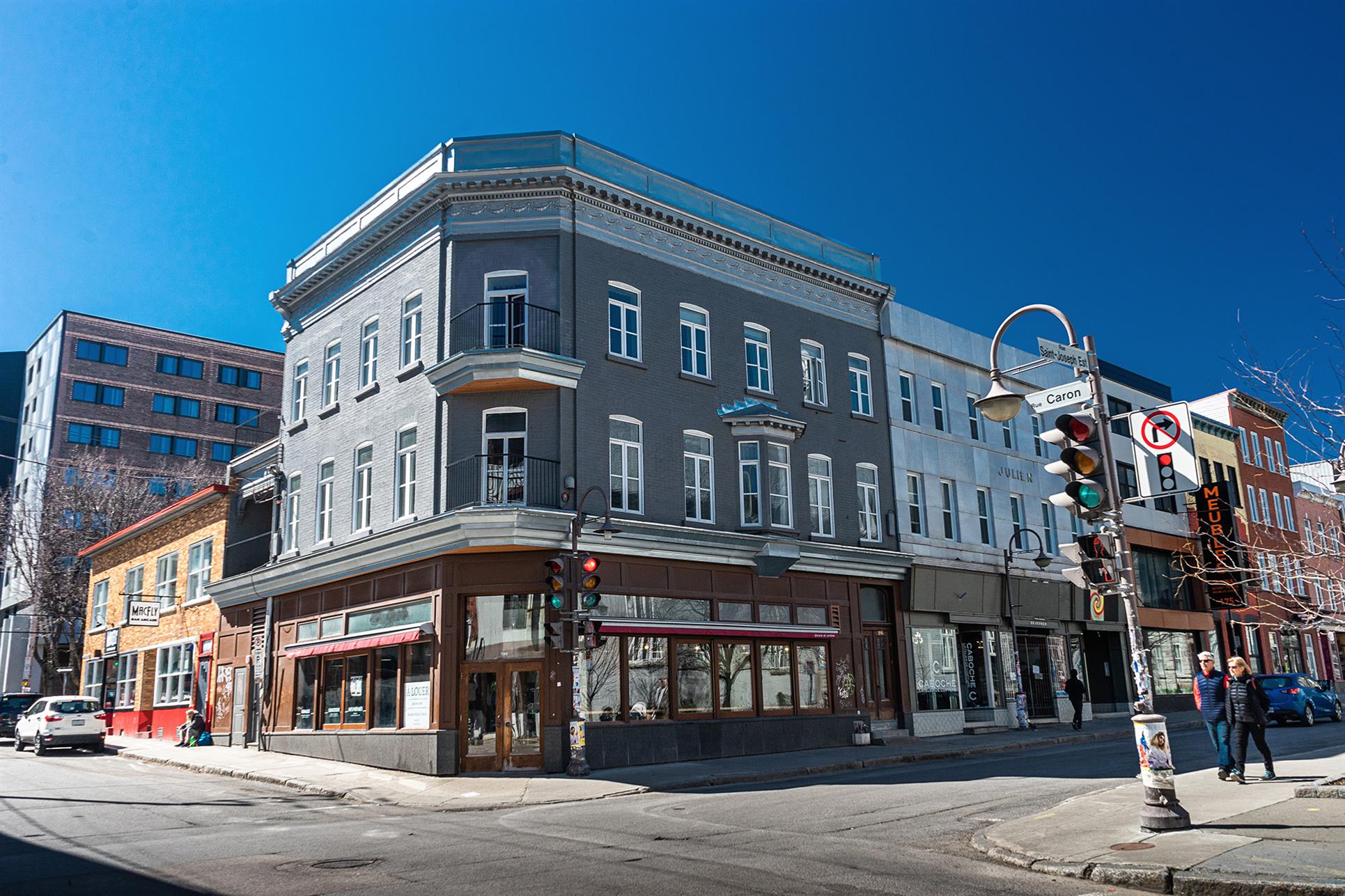
The Quebec rental market presents unique considerations for renovation planning. Heritage regulations in historic districts, climate demands requiring robust building systems, and tenant expectations shaped by local competition all influence which improvements make financial sense. Strategic renovation requires balancing immediate costs against long-term returns while navigating regulatory requirements specific to Quebec properties.
Prioritizing Renovations That Deliver Maximum Return
Not every renovation dollar produces equal value. Some improvements dramatically increase rental potential while others, though visually appealing, fail to justify their costs through higher rents or reduced vacancies. Understanding tenant priorities helps focus renovation budgets where they matter most.
Kitchens consistently rank as the highest-impact renovation area. Modern appliances, adequate counter space, functional storage, and updated finishes influence tenant decisions more than almost any other factor. Tenants spend significant time in kitchens and immediately notice quality differences during apartment viewings.
Bathroom renovations deliver the second-highest impact on tenant attraction. Updated fixtures, proper ventilation, adequate lighting, and contemporary finishes signal overall property quality. Dated bathrooms suggest deferred maintenance throughout the building, deterring quality tenants regardless of other amenities.
Flooring upgrades provide excellent returns relative to cost. Replacing worn carpets with durable hard surfaces reduces ongoing maintenance while improving appearance. Modern vinyl plank and laminate products offer attractive aesthetics with superior durability compared to traditional materials.
In-unit laundry capabilities command significant rent premiums where feasible. Quebec tenants increasingly expect laundry convenience, particularly in competitive market segments. Adding washer-dryer hookups or compact combination units differentiates properties from competitors lacking this amenity.
Smart Kitchen Renovation Strategies
Kitchen renovations range from modest refreshes to complete gut renovations. Matching renovation scope to property positioning and target tenant expectations prevents over-improvement that fails to generate proportional rent increases.
Cabinet refacing offers dramatic visual improvement at fraction of replacement cost. Existing cabinet boxes in good structural condition can receive new doors, hardware, and finishes transforming dated kitchens without demolition complexity. This approach works particularly well in rental properties where durability matters more than custom details.
Countertop replacement provides high visual impact. Quartz and granite surfaces have become standard expectations in higher-rent segments. More affordable laminate products now convincingly replicate stone appearances for properties targeting moderate rent levels.
Appliance packages influence tenant perceptions significantly. Stainless steel finishes remain preferred across market segments. Energy-efficient models reduce utility costs for tenants paying their own electricity while demonstrating landlord commitment to quality.
Lighting upgrades brighten spaces inexpensively. Under-cabinet lighting, updated fixtures, and adequate task lighting make kitchens feel larger and more functional. LED technology provides excellent illumination while minimizing energy consumption.
Bathroom Improvements That Attract Tenants
Bathroom renovations require careful planning due to plumbing complexity and moisture management requirements. Cutting corners on bathroom work creates problems that cost more to fix than doing work properly initially.
Vanity replacement anchors most bathroom renovations. Modern vanities with adequate storage, durable countertops, and updated faucets transform bathroom appearance. Standard sizes allow relatively simple installation without custom modifications.
Shower and tub surrounds deteriorate over time and harbor mold in deteriorated grout and caulk. Replacing worn surrounds with modern acrylic or tile systems eliminates maintenance problems while improving appearance. Walk-in showers appeal to many tenants and eliminate tub maintenance.
Toilet replacement offers inexpensive improvement. Modern low-flow toilets reduce water consumption while providing better performance than older models. Comfort-height models appeal to aging tenant populations and comply with accessibility preferences.
Exhaust ventilation prevents moisture damage and mold growth. Ensuring adequate bathroom ventilation protects building components while maintaining healthy indoor air quality. Quiet, efficient fan units encourage tenant use compared to loud older models.
Energy Efficiency Upgrades That Reduce Costs
Energy efficiency improvements benefit landlords and tenants simultaneously. Lower utility costs improve property competitiveness when landlords pay utilities and increase tenant satisfaction when tenants pay directly. Many efficiency upgrades also qualify for government incentives reducing net investment.
Window replacement dramatically impacts both efficiency and comfort. Quebec’s cold winters make window performance critical for heating costs and tenant comfort. Modern double or triple-pane windows with low-E coatings reduce heat loss while eliminating drafts that plague older buildings.
Insulation improvements reduce heating and cooling demands. Attic insulation upgrades offer excellent returns given relatively simple installation. Wall insulation in older buildings presents greater complexity but delivers substantial long-term savings in poorly insulated structures.
Heating system upgrades reduce fuel costs while improving reliability. Modern high-efficiency boilers and furnaces extract more heat from each fuel unit consumed. Heat pumps provide both heating and cooling capabilities with exceptional efficiency in moderate climates.
LED lighting conversion throughout common areas and units reduces electricity consumption dramatically. Longer bulb life also reduces maintenance frequency. Motion sensors in common areas ensure lighting operates only when needed.
Navigating Heritage Renovation Requirements
Quebec’s heritage regulations protect the architectural character that makes many properties valuable. Understanding these requirements before planning renovations prevents costly mistakes and approval delays.
Exterior modifications in heritage zones require municipal approval. Window replacement, door changes, facade repairs, and even paint colors may require heritage committee review. Submitting complete applications with appropriate documentation accelerates approval processes.
Interior work generally faces fewer restrictions unless properties hold individual heritage designation. However, some interior elements in designated buildings receive protection requiring approval for modification. Verifying specific requirements for each property prevents unwelcome surprises.
Heritage-appropriate materials and methods may cost more than standard alternatives. Budgeting for compliant approaches ensures project feasibility. In some cases, heritage requirements actually preserve value by maintaining authentic character that distinguishes properties from ordinary buildings.
Professional guidance from architects experienced with heritage properties proves invaluable. Their familiarity with approval processes, appropriate materials, and sympathetic design approaches improves outcomes while reducing delays. Established relationships with heritage officials often facilitate smoother reviews.
Common Area Improvements That Attract Tenants
Common areas create first impressions influencing tenant decisions. Well-maintained, attractive common spaces signal overall property quality and management attention. Neglected common areas deter quality applicants regardless of individual unit condition.
Entrance and lobby renovations anchor common area improvements. Fresh paint, updated lighting, clean flooring, and secure entry systems demonstrate pride of ownership. These spaces set expectations for what tenants will find throughout the building.
Hallway upgrades extend positive impressions beyond lobbies. Consistent finishes, adequate lighting, and clean conditions throughout circulation spaces maintain the quality standard established at entry. Wayfinding signage and unit numbering should appear professional and coordinated.
Laundry room improvements affect tenant daily experience. Modern, reliable equipment reduces complaints and increases usage. Clean, well-lit spaces encourage proper use and discourage vandalism. Payment systems should offer convenient options including card or mobile payment.
Exterior grounds contribute to curb appeal and tenant satisfaction. Maintained landscaping, adequate parking lot lighting, clear snow removal, and clean refuse areas all influence perceptions. These elements also affect property value assessments during sales or refinancing.
Planning Renovations for Minimal Tenant Disruption
Occupied building renovations require careful coordination to maintain tenant relationships and continued rent collection. Poor planning creates tenant complaints, potential lease breaks, and negative reviews affecting future leasing.
Communication before, during, and after renovation work maintains tenant goodwill. Explaining project scope, timeline, and expected disruptions allows tenants to plan accordingly. Regular updates during work demonstrate respect for tenant concerns.
Scheduling work during normal business hours minimizes noise disruption. Weekend and evening work should be reserved for tasks requiring building system shutdowns when tenant impact is unavoidable regardless of timing.
Unit-by-unit renovation approaches allow continued occupancy. Completing work in vacant units first, then renovating occupied units during natural turnover, spreads costs over time while minimizing displacement. This approach also allows refining renovation approaches based on initial unit experience.
Temporary accommodations may be necessary for major work. When substantial renovation requires unit vacancy, offering temporary alternatives or lease modifications maintains tenant relationships. The cost of accommodations often proves less than extended vacancy during tenant searches.
Financing Renovation Projects
Renovation financing options range from cash reserves to specialized loan products. Matching financing approach to project scope and investment timeline optimizes returns while managing risk.
Cash reserves provide simplest funding without interest costs or approval delays. Maintaining adequate reserves for planned improvements and unexpected needs protects against financing disruptions affecting project completion.
Home equity lines of credit offer flexible funding for property owners with available equity. Interest-only payment options during renovation phases reduce carrying costs until increased rents provide additional cash flow.
Renovation mortgages combine property financing with improvement funding. These products allow purchasing properties requiring significant work by including renovation costs in the mortgage amount. Funds release in stages as work progresses.
Government programs support certain renovation types. Energy efficiency upgrades, accessibility improvements, and heritage preservation may qualify for grants, tax credits, or low-interest loans. Researching available programs before finalizing renovation plans maximizes available support.
Working With Qualified Contractors
Contractor selection significantly impacts renovation outcomes. Quality workmanship, reliable scheduling, and fair pricing require finding contractors who deliver consistently across all three dimensions.
Referrals from other property owners provide valuable starting points. Landlords and property managers with renovation experience can identify contractors who understand rental property requirements and deliver reliable results.
Written contracts protect both parties. Detailed scope descriptions, material specifications, payment schedules, and timeline commitments should appear in writing before work begins. Change order procedures should be established for modifications arising during projects.
Insurance and licensing verification prevents liability exposure. Contractors should carry adequate liability coverage and workers compensation insurance. Quebec licensing requirements vary by trade, and verification protects against unqualified workers.
Property management companies like Groupe Murray maintain contractor networks developed over years of renovation experience. Their established relationships often secure priority scheduling and competitive pricing unavailable to individual property owners.
Measuring Renovation Success
Tracking renovation outcomes validates investment decisions and informs future planning. Comparing actual results against projections identifies successful approaches worth repeating and mistakes to avoid.
Rent increases following renovation provide the most direct success measure. Comparing achieved rents against pre-renovation levels and market comparables quantifies income impact. Successful renovations should generate returns exceeding investment costs within reasonable timeframes.
Vacancy reduction demonstrates improved market positioning. Properties that previously struggled to attract tenants should lease faster after appropriate improvements. Reduced vacancy directly increases annual income regardless of rent level changes.
Tenant quality improvements may be less quantifiable but equally valuable. Better tenants pay more reliably, maintain units better, and create fewer management problems. These benefits compound over time through reduced turnover and lower operating costs.
Property value increases realized at sale or refinancing capture renovation benefits in property equity. Appraisals following significant improvements should reflect enhanced value justifying renovation investment.
For investors seeking guidance on renovation strategies for Quebec rental properties, consulting with experienced professionals provides valuable perspective. Organizations like Frederic Murray Estates and Frederic Murray Homes bring decades of local market knowledge helping property owners make informed improvement decisions that maximize returns on renovation investments.