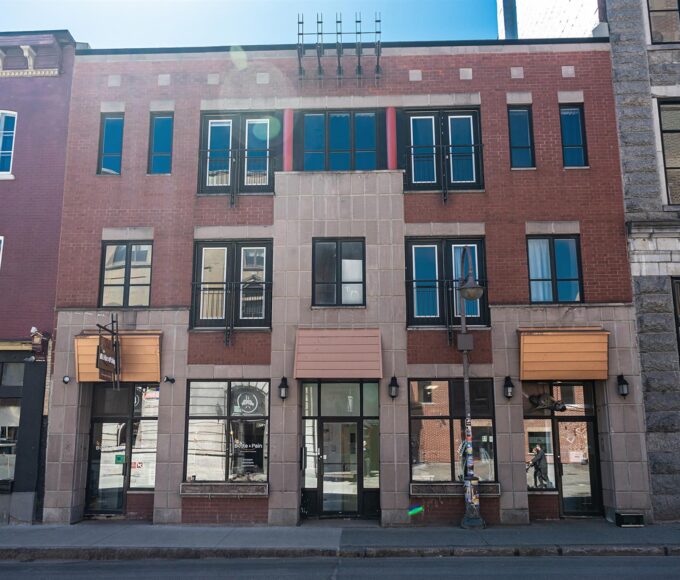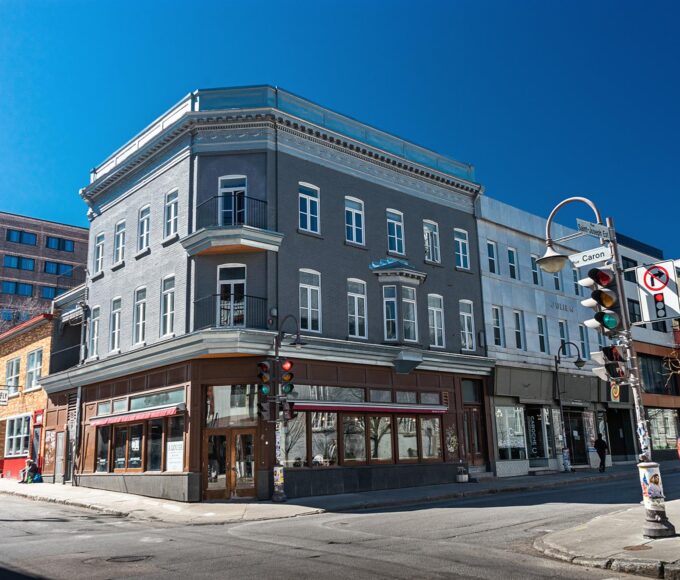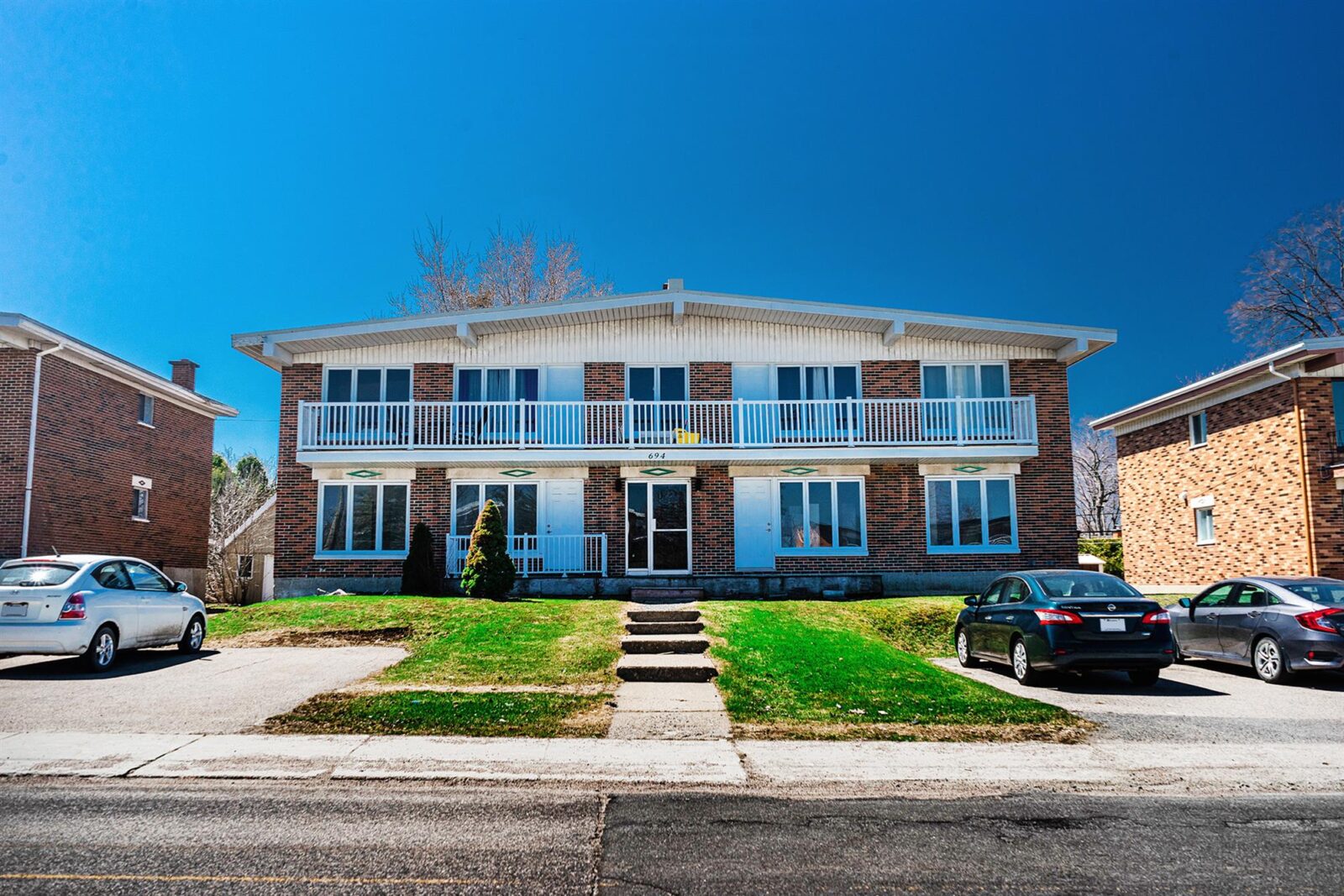
Selling an income-producing building in Canada is one of the most complex transactions in real estate. Unlike selling a family home — where emotion, presentation, and neighborhood comparables drive most of the conversation — selling a commercial or multi-residential building is a financial transaction first. Buyers are purchasing an income stream, and everything about how you prepare, price, and present your property needs to reflect that reality.
Frederic Murray Immeubles works with owners of income-producing buildings across Canada who are ready to sell strategically — maximizing their return, minimizing their exposure, and closing on terms that reflect the true value of what they have built.
This guide walks you through every stage of a successful building sale, from the financial preparation that happens months before you list, to the negotiation dynamics that close deals at the upper end of the market.
Why Selling a Building Is Different From Selling a Home
The most important thing to understand before you begin the process is that buyers of income-producing buildings are not buying walls and windows. They are buying a business. Their decision is driven by the numbers — the income the property generates, the expenses it carries, the trajectory of its rents relative to market, and the capitalization rate at which comparable assets are trading.
This means your preparation as a seller is fundamentally financial. Before a single buyer walks through the door, you need to have your income and expense documentation organized, accurate, and defensible. Any gap between what your financials show and what a buyer’s due diligence uncovers will cost you — either in price reductions, deal conditions, or lost buyers entirely.
It also means that the cosmetic improvements that move residential properties — fresh paint, staging, landscaping — have a role to play in commercial building sales, but they are secondary to the numbers. A building with strong, documented income and well-maintained mechanical systems will attract serious buyers at a fair price. A beautifully renovated building with weak financials or hidden deferred maintenance will struggle regardless of how it photographs.
Preparing Your Financials Before You List

The financial preparation for a building sale should begin at least six to twelve months before you intend to list. This timeline gives you the opportunity to address issues that would otherwise surface in due diligence and reduce your sale price.
Organize your rent roll. The rent roll is the first document a serious buyer will request. It should list every unit, the current tenant, the monthly rent, the lease start and end date, and the current status of the tenancy. Any below-market rents, month-to-month tenancies, or units in arrears will be immediately visible to buyers and will affect how they value the property. If rents are meaningfully below market, explore whether bringing any vacant units to market rate before listing makes sense given your timeline and provincial rent control rules.
Compile two to three years of operating statements. Buyers and their lenders will scrutinize your actual income and expenses against what the property should cost to operate. Have organized records of property taxes, insurance premiums, utility costs, maintenance and repair invoices, property management fees, and any capital expenditures made during the period. Gaps or inconsistencies in these records raise flags that slow down deals and invite lower offers.
Identify and address deferred maintenance. Walk the property with a critical eye — or better, hire a building inspector to do it before your buyer does. Roof condition, boiler and HVAC systems, electrical panels, plumbing, and fire safety systems are the categories where deferred maintenance creates the largest price reductions in due diligence. Addressing significant issues proactively, or pricing transparently to reflect known items, is a stronger strategy than hoping buyers will not notice.
Understand your capital gains exposure. Selling an income property in Canada triggers capital gains tax on the appreciation above your adjusted cost base. If the property has been held in a corporation, the tax treatment may differ from a personal sale. Speak with your accountant well before listing to understand your tax position, explore any deferral strategies that may apply, and plan your net proceeds accordingly. Sellers who do not run these numbers in advance are often surprised at closing.
Pricing Your Building to Sell at Maximum Value
Pricing an income-producing building correctly is a technical exercise. The primary valuation method used by buyers, brokers, and lenders is the income approach — specifically the direct capitalization method, which divides the property’s Net Operating Income by the prevailing market cap rate to arrive at an estimated value.
Understanding what cap rates are doing in your specific market and asset class is essential before you set a price. Cap rates compress and expand with interest rates, investor sentiment, and local demand dynamics. A building that was worth a certain multiple of NOI two years ago may trade at a different multiple today — in either direction — depending on current market conditions.
Your listing broker should provide you with a comparative market analysis that includes recent sales of comparable buildings in your area, the cap rates at which those sales occurred, and a realistic range of value for your property based on your current and stabilized NOI. Be skeptical of brokers who suggest an unusually high listing price without a rigorous financial justification — overpriced buildings sit on the market, attract lower-quality buyers, and often ultimately sell for less than a correctly priced listing would have achieved.
Pricing strategy at the building level also involves a decision about whether to list publicly or to market the property selectively to qualified buyers before going to the open market. For higher-value or uniquely positioned assets, a targeted off-market process can generate strong offers from motivated buyers without the reputational risk of a property that lingers publicly.
Managing the Sale Process and Due Diligence
Once you have an accepted offer, the due diligence period begins — and this is where building sales most commonly fall apart or get renegotiated. Understanding what buyers will examine and preparing for it in advance gives you significant leverage.
Expect a thorough property inspection. Buyers at the building level typically engage both a building inspector and a mechanical engineer. They will inspect every accessible system and structure. The goal is not to find reasons to walk away — it is to quantify risk and negotiate credits or price adjustments for anything material. Your ability to respond with documentation, warranties, and maintenance records rather than shrugs and estimates will determine how much ground you lose at this stage.
Tenant estoppel certificates — in some transactions, particularly larger buildings and commercial properties, buyers request estoppel certificates from tenants. These are documents signed by each tenant confirming the terms of their lease, that they are current on rent, and that they have no outstanding claims against the landlord. Preparing tenants for this request in advance avoids delays and demonstrates professionalism.
Environmental assessment — lenders financing the purchase will require at minimum a Phase 1 Environmental Site Assessment. If your property has any history of underground storage tanks, dry cleaning operations, or industrial tenants, a Phase 2 assessment may also be required. Commissioning your own Phase 1 before listing, rather than waiting for the buyer’s lender to require it, can accelerate the transaction significantly.
Closing on Your Terms
The final stage of a building sale involves more negotiation variables than a residential transaction. Closing date, included chattels and fixtures, tenant security deposit transfers, vendor take-back mortgage discussions, and the handling of any outstanding tenant matters all need to be addressed clearly in the agreement of purchase and sale.
Work with a real estate lawyer who has specific experience in commercial and multi-residential transactions. The documentation, title search requirements, and closing procedures for income-producing buildings are more complex than residential closings, and errors at this stage are expensive to resolve.
How Frederic Murray Immeubles Supports Sellers
Selling an income-producing building is not something to navigate without the right expertise at your side. Frederic Murray Immeubles brings valuation expertise, buyer network access, and transaction management capability to every building sale we handle — from initial financial preparation through to a clean, professional close.
Our team understands the buyer pool for income properties across Canada, knows how to position your asset for maximum value, and has the relationships to reach qualified buyers — including those who never monitor public listings.
If you are considering selling an income-producing building and want a confidential assessment of your property’s current market value and positioning, contact Frederic Murray Immeubles to schedule a private consultation.