Older rental buildings carry undeniable advantages — solid construction, established locations, mature landscaping, and often lower acquisition costs per unit than new builds. But they also come with dated layouts, inefficient systems, and finishes that no longer meet what today’s tenants expect. In 2026, the gap between unrenovated and updated buildings is wider than ever, and it shows up directly in vacancy rates, achievable rents, and tenant quality.
The good news is that you do not need to gut a building to make it competitive. Strategic renovations targeting the areas tenants care about most can transform an aging property into a high-demand asset without the cost or disruption of a full rebuild. At Frederic Murray Immeubles, we advise building owners on exactly where to spend and where to save when upgrading older stock for the current market.
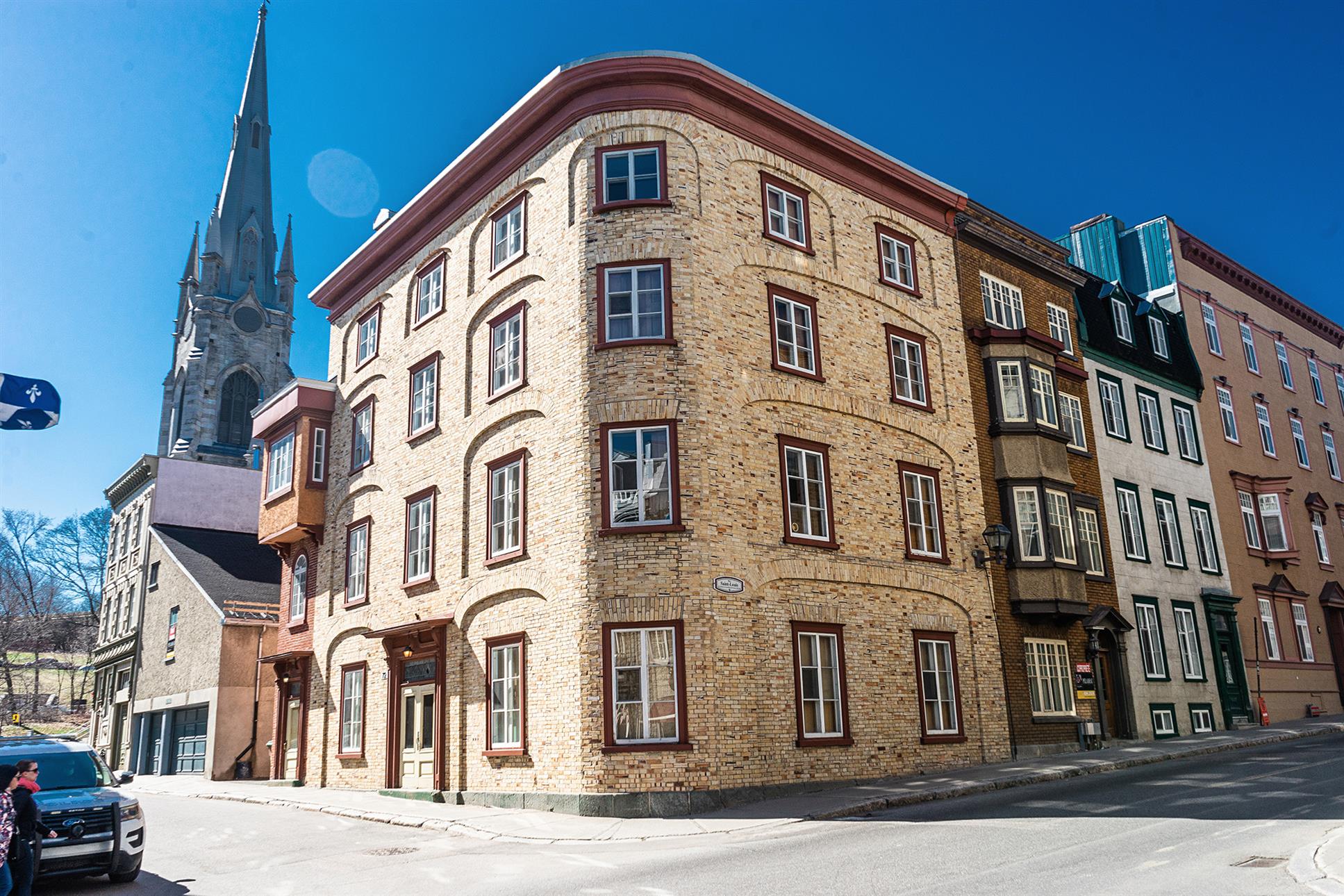
Prioritize the Upgrades Tenants Actually Pay More For
Not every renovation delivers the same return. Owners who renovate based on personal taste rather than tenant demand often spend heavily on improvements that barely move the rent needle. The upgrades that consistently justify higher rents in 2026 fall into a few clear categories: kitchens, bathrooms, in-unit laundry capability, flooring, and energy-efficient windows.
Kitchen renovations do not require imported stone countertops or commercial-grade appliances to be effective. Replacing worn cabinetry with clean modern fronts, installing durable quartz or laminate countertops, upgrading to stainless steel appliances, and adding adequate lighting transforms the most-used room in the unit at a manageable cost per unit. Tenants consistently rank the kitchen as the room that most influences their leasing decision.
Bathrooms follow the same logic. A re-grouted tile floor, a modern vanity, an updated showerhead, and proper ventilation can make a thirty-year-old bathroom feel current. The goal is not luxury — it is freshness, functionality, and a sense that the unit has been cared for. Buildings listed through Murray Immeubles and Frederic Murray Rentals that complete these targeted updates consistently lease faster and at rates 10 to 20 percent above unrenovated comparables in the same neighborhood.
Addressing Building Systems Before Cosmetic Work
It is tempting to start with the visible upgrades because they photograph well and impress prospective tenants during showings. But spending your renovation budget on new countertops while the boiler is failing and the electrical panel is at capacity is a decision you will regret within the first year.
Before any cosmetic work begins, assess the condition of all major building systems. Heating and cooling equipment, plumbing risers, electrical capacity, the roof, and the building envelope should all be evaluated by qualified professionals. If any system is within five years of its expected end of life, budget for its replacement as part of your renovation plan rather than treating it as a separate future expense.
Upgrading building systems also creates opportunities for cost savings that directly improve your operating margins. A modern high-efficiency boiler can reduce heating costs by 25 to 35 percent compared to an aging unit running at reduced efficiency. LED lighting conversions in common areas pay for themselves within one to two years through lower electricity bills. These improvements may not excite prospective tenants during a showing, but they keep your operating costs down and prevent the kind of emergency failures that cause tenant dissatisfaction and expensive after-hours repair calls.
Property management teams like Frederic Murray Management help building owners sequence renovation work so that critical system upgrades happen first, cosmetic improvements follow in a logical order, and the disruption to existing tenants is minimized throughout the process.
Making Units Work for How People Actually Live in 2026
Tenant lifestyles have shifted significantly, and older buildings were not designed for how people use their homes today. The most impactful layout changes you can make address three realities of modern living: remote work, smaller households, and the expectation of in-unit convenience.
Remote and hybrid work is not a trend that is reversing. Tenants in 2026 need a dedicated workspace within their unit, even if it is a compact built-in desk area rather than a full home office. Converting an awkward closet, an unused alcove, or a portion of an oversized living room into a functional work nook with adequate outlets, lighting, and data connectivity adds genuine value at minimal cost.
Smaller households — singles, couples, and roommate arrangements — now make up the majority of the rental market in most urban and suburban areas. Older buildings designed around large family units can benefit from thoughtful reconfiguration. A four-bedroom unit in a market saturated with families-seeking-homes but short on one- and two-bedroom rentals may generate more total revenue as two separate units, provided local zoning and building codes permit the conversion.
In-unit laundry has become a near-requirement for tenants willing to pay market rate. If your building’s plumbing and electrical systems can support it, adding washer-dryer hookups or compact ventless units to each apartment is one of the highest-return improvements available. Tenants routinely cite in-unit laundry as their top amenity priority, ahead of parking, storage, and outdoor space.
Common Area Upgrades That Signal Quality
A tenant’s first impression of your building happens before they ever see the inside of a unit. The lobby, hallways, stairwells, and exterior approach communicate whether the building is professionally managed or neglected. These spaces do not need to be lavish, but they need to be clean, well-lit, and maintained to a consistent standard.
Simple upgrades make a measurable difference. Fresh paint in a modern neutral palette replaces the yellowed walls that age a building instantly. Updated light fixtures in hallways and entryways improve both aesthetics and safety. Replacing worn carpeting in corridors with durable luxury vinyl plank creates a cleaner look and is far easier to maintain. A well-designed mailbox area, clear signage, and a functional intercom or buzzer system round out the impression of a building that is run with care.
Outdoor common areas deserve attention too. Even modest landscaping improvements — trimmed hedges, seasonal plantings, and a clean walkway — signal that ownership takes pride in the property. Buildings with usable outdoor space such as a courtyard, patio, or rooftop area can command a premium, especially in dense neighborhoods where private outdoor access is scarce. Owners working with Frederic Murray Estates and Frederic Murray Homes on higher-end renovations often find that common area investment pays dividends in both tenant retention and marketability.
Energy Efficiency as a Renovation Strategy
Energy efficiency is no longer a niche concern for environmentally minded tenants. It is a mainstream expectation that affects leasing decisions and operating costs equally. Older buildings are typically among the least efficient in any market, which means they have the most room for improvement.
Start with the building envelope. Air sealing, insulation upgrades in attics and basements, and window replacement or weatherization reduce heating and cooling loads substantially. In cold climate markets — where many properties served by Frederic Murray Immeubles and Frederic Murray Location are located — envelope improvements can cut energy consumption by 30 percent or more.
Individual unit metering for electricity and gas, where not already in place, shifts consumption costs to tenants and incentivizes conservation. This is standard practice in newer buildings but often absent in older stock where a single master meter serves the entire building. The conversion requires electrical work and coordination with your utility provider, but the long-term savings to the owner are significant.
Investigate available rebates and incentive programs. In 2026, many municipalities and utility companies offer substantial rebates for energy-efficient upgrades in multi-unit residential buildings. These programs can offset 20 to 40 percent of your renovation costs for qualifying improvements, effectively lowering your payback period and improving your return on investment.
Renovating With Occupied Units
Most older building renovations happen while tenants are still in residence, which adds a layer of complexity that empty-building projects do not face. Communication is everything. Notify tenants well in advance about the scope of work, expected timelines, noise levels, and any temporary disruptions to services like water, electricity, or common area access.
Sequence your work to minimize impact. Renovate vacant units first, move existing tenants into completed units where possible, and tackle common areas during low-traffic hours. A well-managed renovation process builds goodwill with tenants and demonstrates the kind of professional ownership that encourages long-term stays.
The renovation itself can be a retention tool if handled well. Tenants who see their building improving around them — and who benefit from upgrades to their own unit during lease renewal — are more likely to stay and accept reasonable rent adjustments than tenants in buildings where nothing ever changes.
Building owners who partner with experienced management teams at Frederic Murray Management and Murray Immeuble find that the coordination between renovation contractors, property managers, and tenants runs far more smoothly than trying to manage it independently. The result is a better renovation, happier tenants, and a building that performs at a higher level for years to come.