Every experienced real estate investor in Quebec started exactly where you are right now — curious, a little uncertain, and trying to figure out whether the numbers actually work before committing to something this significant. The good news is that Quebec’s income property market is genuinely accessible to first-time investors. The province’s strong rental demand, established plex culture, and predictable legal framework create conditions where a well-chosen first property can set you on a path toward long-term financial independence.
The bad news is that the market does not forgive poor preparation. First-time investors who skip the fundamentals — who buy on enthusiasm rather than analysis — often end up with a property that drains cash instead of generating it. At Frédéric Murray Immeubles (fredericmurrayimmeubles.com), we have guided many first-time investors through their initial purchase. This guide distills what we consistently see separating those who succeed from those who struggle.

Why Quebec Is a Smart Market for First-Time Income Property Investors
Before getting into the mechanics, it is worth understanding why Quebec stands out as a starting point for income property investment in Canada.
Rental demand in Quebec’s major urban centers is structural, not cyclical. Montreal and Quebec City both have large renter populations — in Montreal, renters make up well over half of all households. That base of demand does not disappear during economic slowdowns. People always need a place to live, and in Quebec’s cities, renting remains the primary housing mode for a large segment of the population.
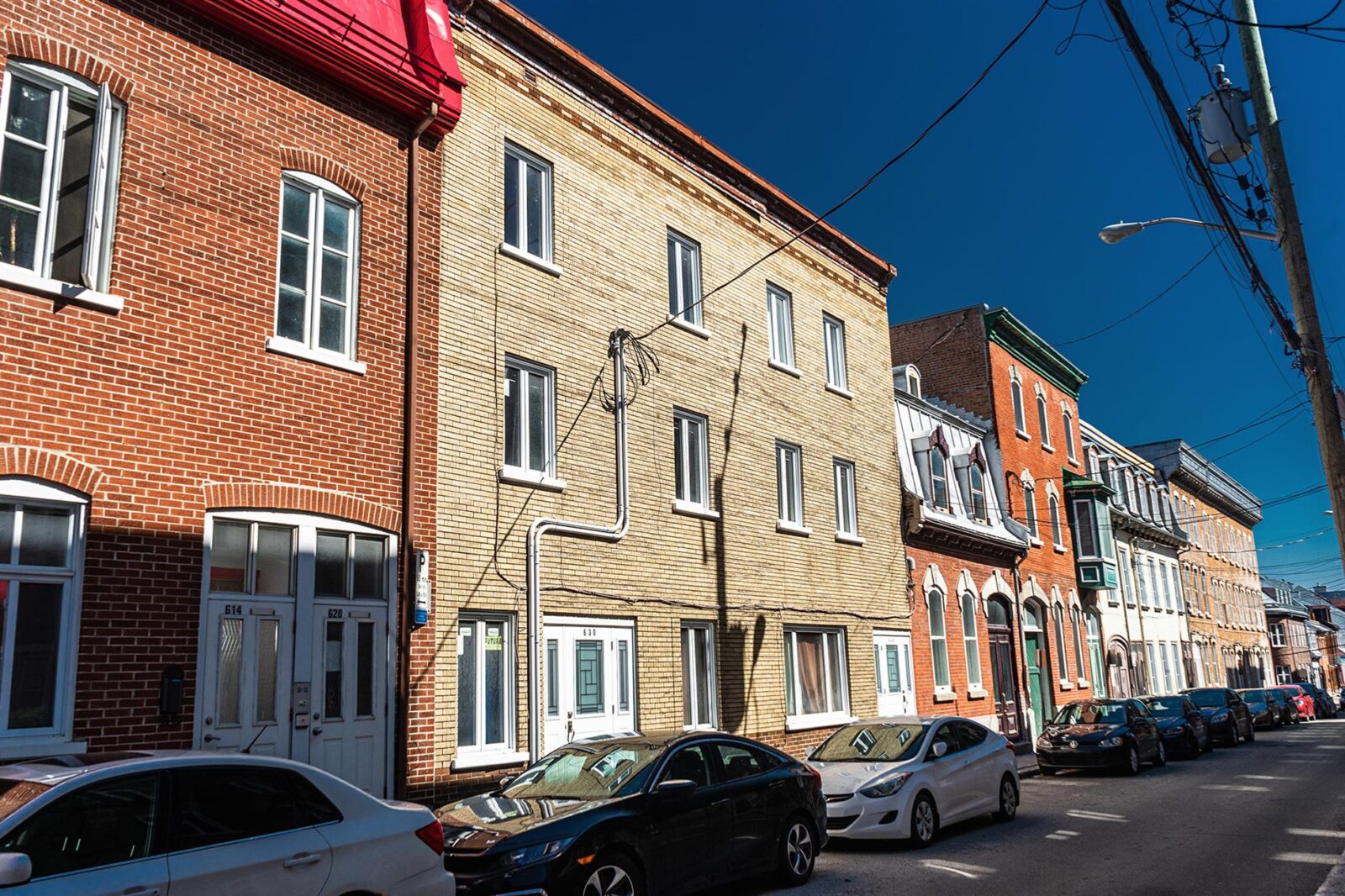
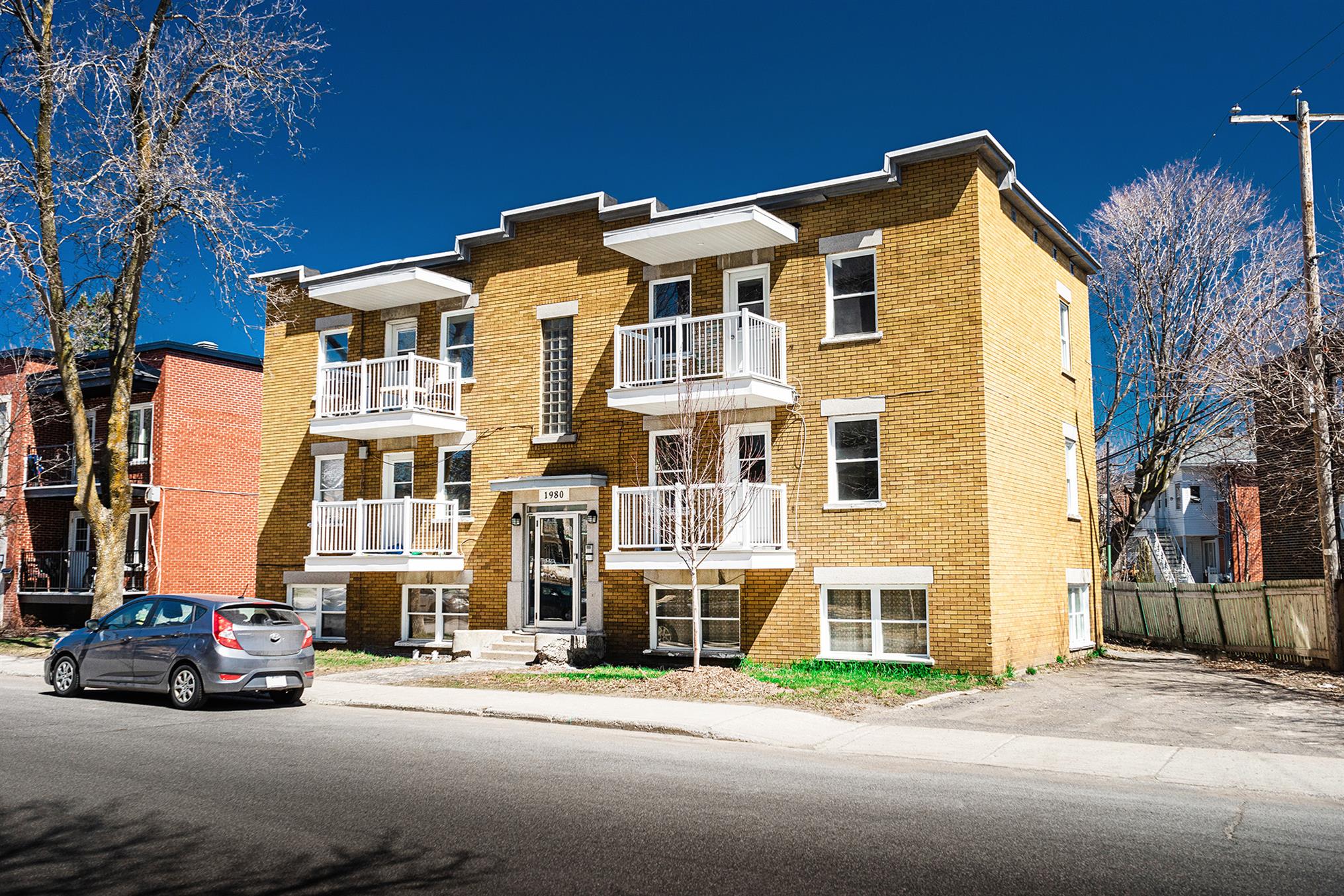
The province’s plex building stock — duplexes, triplexes, quadruplexes — gives first-time investors an entry point that does not exist in the same form in most other Canadian markets. These properties allow you to live in one unit while renting the others, which dramatically reduces your personal housing cost while you build equity and learn the business of being a landlord. This owner-occupier model is one of the most time-tested strategies for entering the income property market with reduced financial risk.
Finally, Quebec’s legal framework, while protective of tenants, is well-defined and well-understood. Once you know the rules — and they are learnable — operating as a landlord in this province is manageable. The uncertainty that plagues investors in less regulated markets does not apply here in the same way.
Step One: Get Your Financial House in Order
Income property investing starts with an honest assessment of your own financial position. Before looking at a single listing, answer these questions clearly.
What is your available down payment? For an owner-occupied multi-unit property with two to four units, you can qualify for a high-ratio insured mortgage with as little as 5 to 10 percent down, depending on the purchase price. For a purely investment property where you will not be living on-site, lenders typically require a minimum of 20 percent down. Knowing which category your purchase will fall into determines your financing options from the start.
What does your income picture look like? Lenders in Canada use a stress test to qualify mortgage applicants at a rate above the contract rate. For income properties, lenders will also consider a portion of the expected rental income — typically 50 to 80 percent — when calculating your borrowing capacity. Work with a mortgage broker experienced in investment property financing before you set your budget.
Do you have reserves beyond the down payment? First-time investors often budget precisely for the purchase and leave nothing behind for what comes next. A water heater fails in month three. A tenant vacates unexpectedly and a unit sits empty for six weeks. A roof inspection reveals the need for repairs that were not visible during your initial walkthrough. Experienced investors maintain a minimum of three to six months of total operating expenses as a liquid reserve. Build that into your plan before you buy.
Step Two: Understand What You Are Actually Buying
Income properties are businesses, not just real estate. When you buy a multi-unit building, you are acquiring both an asset and an operating enterprise — and both need to be evaluated on their own terms.
The asset evaluation covers the physical building: the structure, the systems, the condition of individual units, and the capital expenses you will face over your ownership horizon. A thorough inspection by a qualified professional is not optional. For a first-time investor especially, the cost of an inspection is trivial relative to the cost of inheriting a building with a failing foundation or an electrical system that cannot be insured.
The enterprise evaluation covers the income and expense picture of the building as it currently operates. Request and verify the following before making any offer:
Actual rent rolls showing what each unit currently pays, not what the seller says they could charge. Municipal tax statements for the past two years. Insurance invoices. Utility bills, particularly if any services are shared or if you will be responsible for heating common areas. Records of any major repairs or capital expenditures in the past five years.
Cross-reference every number the seller provides. Sellers are not always dishonest, but they are always motivated — and motivated sellers present their properties in the most favorable light. Your job as a buyer is to reconstruct the true financial picture of the property independently.

Step Three: Run the Numbers Without Optimism
First-time investors have a powerful tendency to run their investment analysis with best-case assumptions. Full occupancy, no unexpected repairs, rent increases every year, low management costs. The result looks great on a spreadsheet. The reality is almost always more complicated.
Run your numbers with conservative assumptions instead. Model a vacancy rate of 5 to 8 percent even if the current owner tells you the building has never had an empty unit. Budget maintenance at 1 percent of the property value per year as a baseline, knowing some years will be lower and some significantly higher. If you plan to self-manage, assign a management cost anyway — your time has value, and if circumstances ever require you to hire a manager, the financial model needs to hold up.
The metric that matters most for a first purchase is cash-on-cash return: what does the property actually deposit into your account each month after mortgage payments, taxes, insurance, and realistic operating costs? If that number is positive — even modestly — the property is cash flow positive and deserves serious consideration. If it is negative from day one, you need an extremely compelling reason to proceed, and most first-time investors do not have the reserves to absorb ongoing negative cash flow while they wait for appreciation to bail them out.
Step Four: Know the Legal Landscape Before You Become a Landlord
Quebec landlord-tenant law is administered by the Tribunal administratif du logement. As a first-time landlord, you need to understand the basics of this framework before your first tenant ever signs a lease.
Leases in Quebec are governed by a mandatory standard form. You cannot include clauses that contravene the Civil Code of Quebec, and any clause that attempts to reduce a tenant’s legal rights is considered null. This is not a system to learn as you go — it is a system to understand before you close on the property.
Key areas to familiarize yourself with include the rules around lease renewals and rent increases, the process for repossessing a unit for personal occupancy or for a family member, the obligations around habitability and maintenance, and the procedure for handling non-payment of rent. The TAL website provides accessible resources in both French and English, and many first-time investors find a one-hour consultation with a lawyer or notary specializing in landlord-tenant matters to be money very well spent before taking on their first tenants.
Step Five: Build the Right Team Around You
No first-time investor succeeds entirely alone. The investors who get their first income property right are almost always the ones who assembled competent advisors before they needed them.
At a minimum, you need a real estate agent who specializes in income properties and understands how to evaluate them financially — not just how to sell them. You need a notary experienced in multi-unit transactions. You need a mortgage broker who works regularly with investment property financing. And you need an accountant who can advise on how to structure the ownership of the property for tax efficiency from the beginning, not after the fact.
At Frédéric Murray Immeubles (fredericmurrayimmeubles.com), we serve as the anchor of that team for our clients. We bring the market knowledge, the deal evaluation expertise, and the professional network that first-time investors need to make a confident first purchase. We do not just find you a building — we make sure the building you buy is the right one for where you are starting from.
Growing Beyond Your First Property
The first income property is the hardest one to buy. Every subsequent property gets easier — because you have experience, a financial track record that lenders respond to, and equity from your first building that can support your next acquisition.
Think of your first purchase as the foundation, not the destination. The investors who build real wealth through Quebec real estate treat each acquisition as a step in a longer plan. They manage their first property well, build their reserves, watch the equity grow, and position themselves for the refinance or acquisition that comes next.
When you are ready to scale beyond a single building, Murray Immeubles (murrayimmeubles.com) specializes in portfolio-level acquisition strategy for investors moving into larger multi-unit properties. For professional property management that frees your time as your portfolio grows, Frédéric Murray Management (fredericmurraymanagement.com) provides landlord services built around investor needs. And if your long-term vision includes diversifying into residential real estate alongside your income properties, Frédéric Murray Properties (fredericmurrayproperties.com) covers that ground.
Your first income property in Quebec is within reach. Visit fredericmurrayimmeubles.com to connect with our team and start building the investment plan that makes it happen.