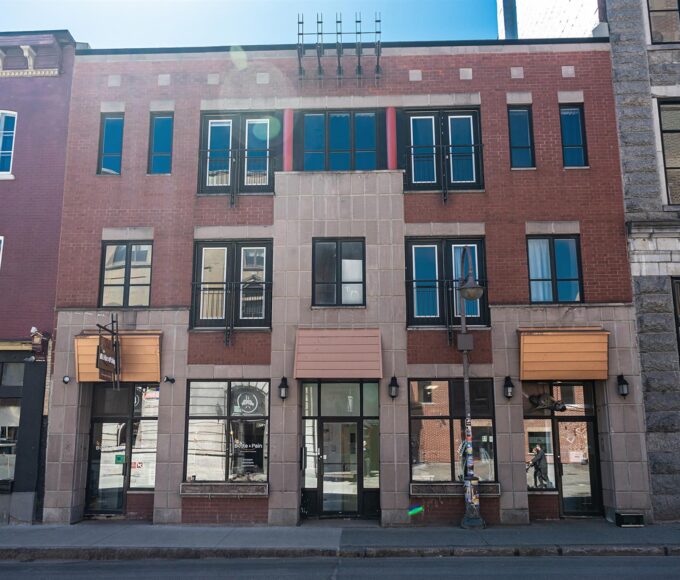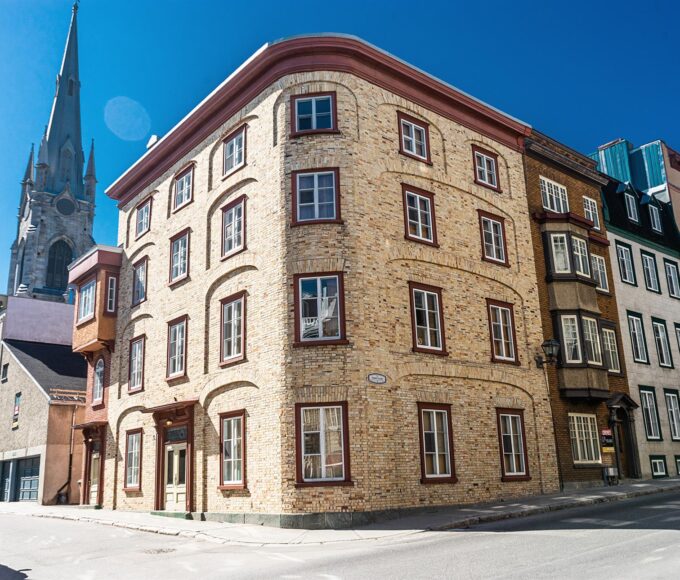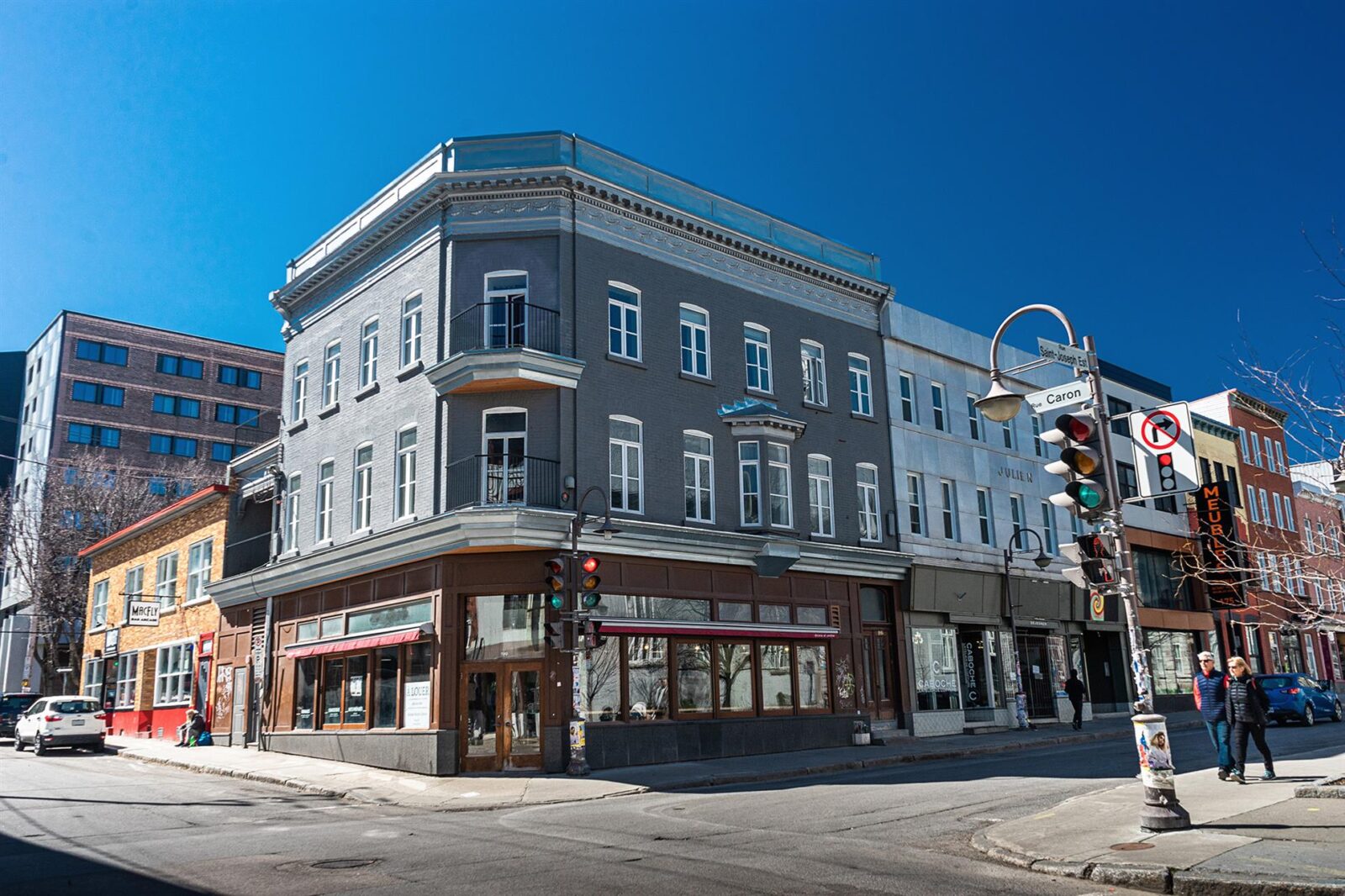
Building a portfolio of multi-unit properties is one of the most reliable paths to financial independence in Canadian real estate. But the gap between owning a single rental property and managing a growing portfolio of income-generating buildings requires more than capital. It demands a clear strategy, disciplined acquisition criteria, and operational systems that scale as the portfolio grows. In 2026, with financing conditions tightening and competition shifting, first-time portfolio builders who approach the process methodically are finding opportunities that reward patience and preparation over speed.
Starting With the Right First Property
The biggest mistake aspiring portfolio builders make is waiting for the perfect first deal. The purpose of the first acquisition is not to find a trophy property but to establish a foundation. A well-located duplex, triplex, or small multi-unit building that generates positive cash flow from day one teaches an investor more in twelve months of ownership than years of theoretical study.
For first-time multi-unit buyers in Quebec, properties in the three to six unit range offer the best balance of manageable complexity and meaningful income. These buildings are small enough to self-manage initially but large enough to generate cash flow that supports future acquisitions. Investors who have built portfolios through networks like Murray Immeubles consistently point to their first small building as the most important step in their growth trajectory.
The first property should meet three criteria: it must cash flow positively after all expenses including a management fee even if you plan to self-manage, it must be in a neighborhood with stable or growing rental demand, and it must not require immediate major capital expenditures that would strain your reserves.
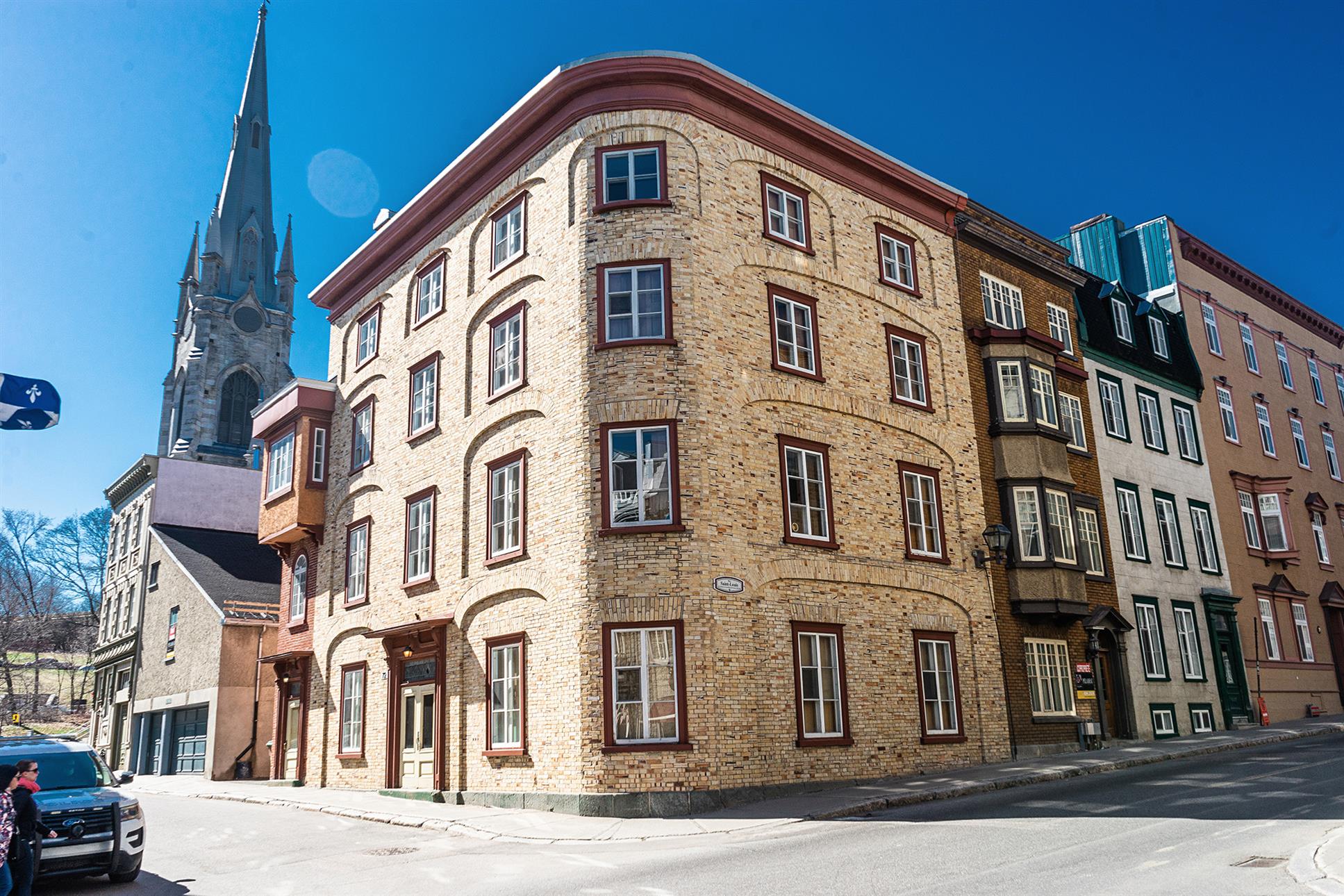
Building Equity and Leveraging It for Growth
Once the first property is stabilized and performing, the next phase of portfolio building involves using the equity created through mortgage paydown and property appreciation to fund subsequent acquisitions. In 2026, Canadian lenders are willing to refinance multi-unit properties at up to 75 to 80 percent of appraised value for borrowers with strong debt service coverage ratios.
The strategy works as follows. After one to two years of ownership, the first property has accumulated equity through a combination of principal payments from tenants paying rent, modest appreciation, and any value-add improvements made to the building. Refinancing the property pulls out a portion of that equity as cash, which becomes the down payment for the second acquisition.
This cycle, often called the BRRRR method adapted for multi-unit properties, allows investors to grow without injecting large amounts of new personal capital into each deal. The key is ensuring that each property maintains strong cash flow after refinancing at the higher debt level. Financial analysis tools and market data available through resources like Murray Immeuble help investors model these scenarios accurately before committing to a refinance.
Developing Acquisition Criteria That Scale
As a portfolio grows beyond two or three properties, having clearly defined acquisition criteria becomes essential. Without disciplined standards, investors risk buying opportunistically and ending up with a scattered collection of properties that are difficult to manage efficiently.
Effective acquisition criteria typically include geographic focus, minimum cash-on-cash return targets, building age and condition thresholds, unit count ranges, and tenant profile considerations. An investor who focuses exclusively on six to twelve unit buildings within a specific region of Quebec, for example, develops deep market knowledge that allows them to evaluate opportunities quickly and negotiate from a position of expertise.
Portfolio builders who work with established real estate networks, such as Frédéric Murray Properties and Frédéric Murray Estates, gain access to market intelligence and off-market deal flow that accelerates the acquisition process while maintaining quality standards.

Building Operational Systems Before You Need Them
One of the most common growth stalls in portfolio building occurs when an investor’s operational capacity cannot keep pace with the number of units under management. The time to build management systems is before the portfolio reaches a size where ad hoc management becomes unsustainable.
At minimum, every portfolio builder should establish standardized processes for tenant screening, lease administration, rent collection, maintenance request handling, and financial reporting. These systems do not need to be complex at the outset. A consistent tenant application form, a reliable accounting method for tracking income and expenses per property, and a documented maintenance response protocol are sufficient foundations for a portfolio of up to 20 or 30 units.
Beyond that threshold, most investors benefit from either hiring dedicated property management staff or engaging a professional management firm. Services like those offered through Frédéric Murray Management provide turnkey operational support that allows portfolio owners to focus on acquisition and strategy rather than daily building operations.
Managing Risk Across a Growing Portfolio
Diversification within a real estate portfolio is just as important as diversification in a stock portfolio, though it takes different forms. A portfolio concentrated entirely in one building type, one neighborhood, or one tenant demographic is exposed to risks that a more diversified portfolio can absorb.
Practical diversification strategies for multi-unit portfolio builders include spreading acquisitions across different neighborhoods or municipalities, mixing building sizes to balance management complexity with income stability, and targeting a blend of tenant types including families, professionals, and students where market conditions support it.
Insurance structuring also becomes more important as the portfolio grows. Umbrella liability policies, landlord-specific coverage riders, and loss-of-rent insurance protect against scenarios that could threaten the entire portfolio rather than just a single building. Investors connected to established property networks like Frédéric Murray Location and Frederic Murray Rentals often benefit from group insurance arrangements that reduce per-unit coverage costs.
Knowing When to Hold, Improve, or Sell
A mature portfolio strategy requires regular evaluation of whether each property still serves the overall investment objectives. Not every building should be held indefinitely. Properties in neighborhoods with declining fundamentals, buildings approaching the end of their useful life for major systems, or assets that no longer align with the investor’s target returns may be better sold, with the proceeds redeployed into higher-performing acquisitions.
Conversely, buildings in strengthening neighborhoods that have not yet been fully optimized through rent adjustments, operational improvements, or physical upgrades may offer significant upside if held and actively managed for another cycle.
The decision framework should be based on data rather than sentiment. Annual portfolio reviews that compare each property’s actual performance against original projections and current market conditions provide the clarity needed to make hold, improve, or sell decisions confidently. Market insights from platforms like Frederic Murray Homes can support these evaluations by providing context on neighborhood trends and comparable property performance.
Building a multi-unit property portfolio in Canada in 2026 is not a get-rich-quick endeavor. It is a methodical process that rewards consistency, financial discipline, and operational competence. Investors who start with a single well-chosen property, build systems early, and grow at a pace that their capital and expertise can support are the ones who create portfolios that generate reliable income for decades.