Every income property owner has the same fundamental goal — maximize the value of what they own while controlling the costs required to get there. In 2026, that goal is more achievable than many owners realize, but it requires a deliberate approach rather than a reactive one. The buildings generating the strongest returns and commanding the highest valuations in today’s market are not necessarily the newest or the largest. They are the ones that have been strategically positioned, well-maintained, and thoughtfully upgraded by owners who understand what drives value in the current environment.
At Frederic Murray Immeubles, we work with income property owners who want to do more than hold their assets — they want to actively grow what those assets are worth. Here is what that looks like in practice in 2026.
Understanding What Actually Drives Income Property Valuation
Before investing a dollar in upgrades or improvements, it is essential to understand how income properties are valued in 2026. Unlike residential homes where comparable sales and emotional buyer appeal play a significant role, income-producing buildings are valued primarily on their net operating income — the revenue the property generates after operating expenses are subtracted. This single number, divided by the prevailing capitalization rate for your property type and market, produces the building’s estimated value.
The practical implication of this is significant. Every improvement you make to an income property should be evaluated not just on its aesthetic merit or its cost, but on its direct impact on net operating income. Upgrades that allow you to increase rents, reduce vacancy, lower operating costs, or decrease maintenance spending all improve net operating income — and therefore directly increase what the building is worth to a buyer or a lender.
Improvements that cost money but do not move net operating income in a measurable direction are largely cosmetic from a valuation standpoint, regardless of how much they improve the visual appeal of the property. Frederic Murray Immeubles helps owners identify which investments generate genuine valuation impact and which ones feel productive without delivering measurable returns.
The Highest-ROI Upgrades for Income Properties in 2026
Not all building improvements are created equal. In 2026, certain categories of upgrades consistently deliver the strongest return on investment for income property owners across different property types and market segments.
Unit interior modernization remains one of the most reliable value drivers. In buildings where units have not been updated in ten or more years, a focused renovation of kitchens and bathrooms — replacing cabinet hardware, countertops, and fixtures without necessarily doing full gut renovations — allows owners to reposition units at meaningfully higher rent levels when they turn over. The cost per unit for this type of cosmetic modernization is a fraction of what a full renovation would require, but the rental premium it supports can add hundreds of dollars per month per unit to gross revenue.
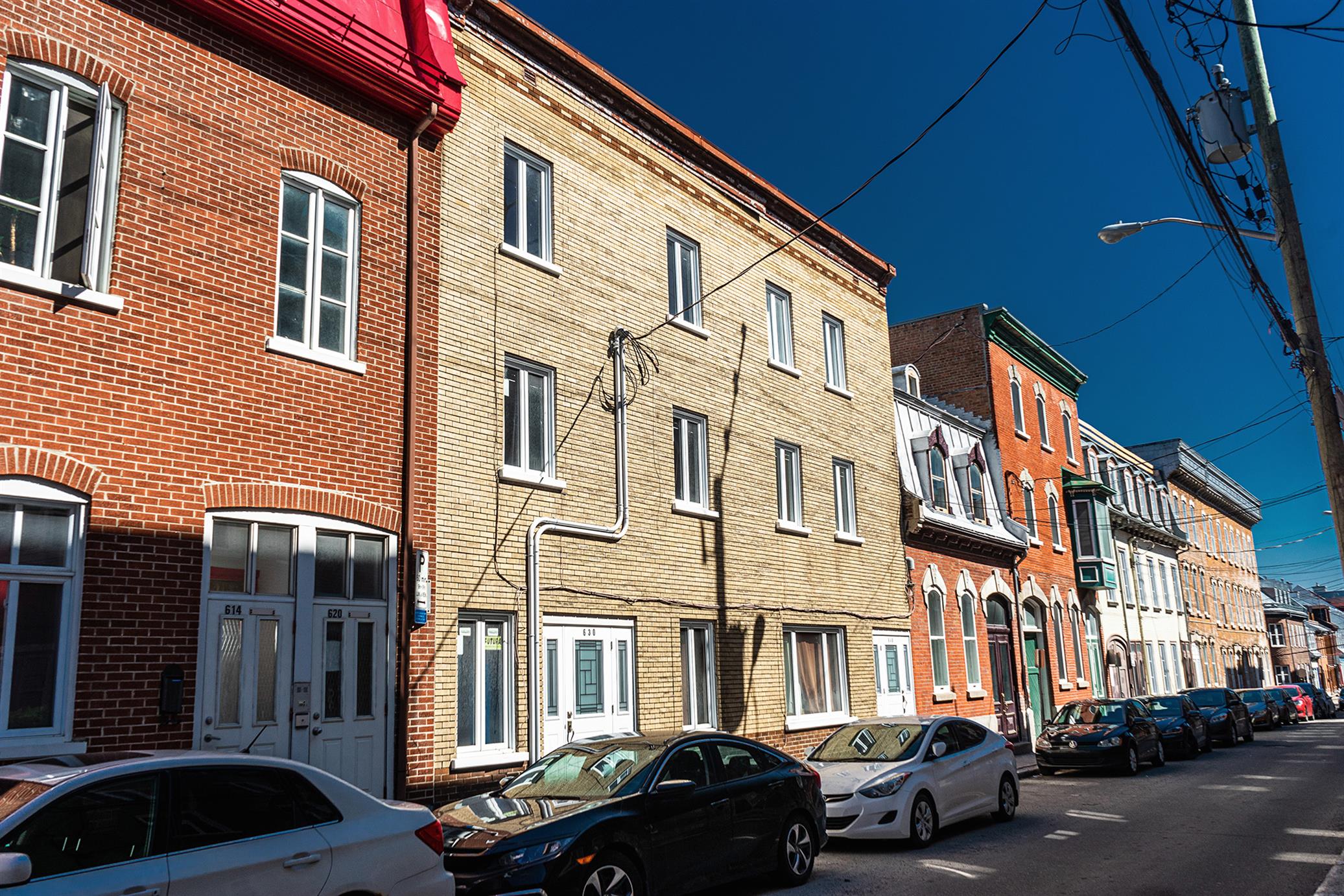
Energy efficiency investments have emerged as a particularly strong value driver in 2026 for two compounding reasons. First, they directly reduce operating costs — utility expenses that are owner-paid in many multi-unit configurations — which improves net operating income immediately. Second, energy-efficient buildings increasingly command tenant preference and regulatory compliance advantages that translate into lower vacancy rates and reduced exposure to mandatory upgrade orders. Insulation improvements, high-efficiency heating systems, smart building controls, and LED lighting conversions across common areas all fall into this category.
Common area improvements — lobbies, hallways, laundry facilities, outdoor spaces, and parking areas — have a disproportionate impact on tenant perception and retention relative to their cost. Tenants form their impression of a building not just from their individual unit but from every shared space they encounter daily. A building with well-maintained, clean, and freshly updated common areas retains tenants longer and attracts higher-quality applicants when units do turn over.
Repositioning an Underperforming Building in the Current Market
Some income properties are underperforming not because of deferred maintenance or outdated finishes, but because of management and positioning decisions that have allowed rents to drift below market over time. This is one of the most common — and most correctable — sources of suppressed building value in 2026.
Buildings where long-term tenants are paying rents that are 15 to 25 percent below current market rates represent significant unrealized value. Correcting this situation requires a careful, legally compliant approach to lease renewals and rent repositioning — one that respects existing tenant relationships while systematically moving the building’s revenue profile toward its market potential. The process takes time, but the valuation impact of bringing a building’s rents to market can be dramatic and relatively rapid.
Vacancy itself can also be a repositioning opportunity. When a unit turns over in a below-market building, the new lease should be priced at current market from the outset rather than continuing the trajectory of the existing rent roll. Frederic Murray Immeubles manages this repositioning process for building owners with a structured approach that maximizes revenue recovery while minimizing tenant relations friction.
Preparing Your Income Property for a Strong Sale or Refinance in 2026
Whether your goal is to sell your building at peak value or refinance to access equity for further investment, the preparation process is essentially the same — and it begins well before the transaction date.
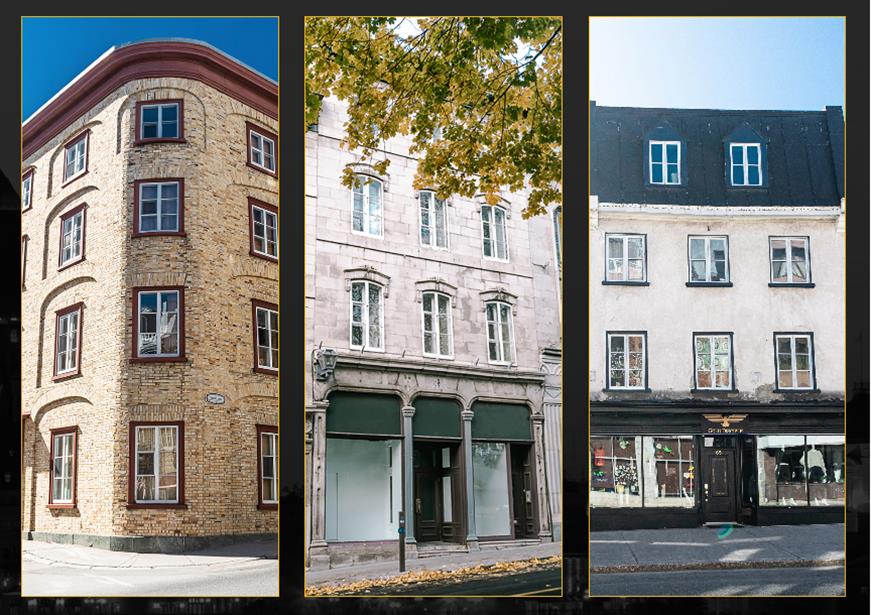
Lenders and buyers conducting due diligence in 2026 scrutinize financial records, maintenance histories, lease documentation, and regulatory compliance with significant rigor. Buildings that arrive at due diligence with clean, well-organized records move through the process faster and with fewer value-reducing surprises. Buildings with deferred maintenance items, outstanding compliance orders, or incomplete documentation give buyers and lenders leverage to reduce their offer or tighten their lending terms.
The most effective preparation strategy is a rolling one — treating the building as though it is always six months away from a transaction, even when no transaction is planned. This discipline ensures that documentation stays current, maintenance stays on schedule, and compliance issues are addressed proactively rather than discovered under pressure.
Frederic Murray Immeubles provides building owners with ongoing preparation support across all these dimensions — not just when a transaction is imminent, but as a continuous operational standard that keeps every managed building in peak condition at all times. In 2026, the gap between what an income property is worth and what it could be worth is, in most cases, a gap that deliberate management and strategic investment can close. That is the work we do every day.