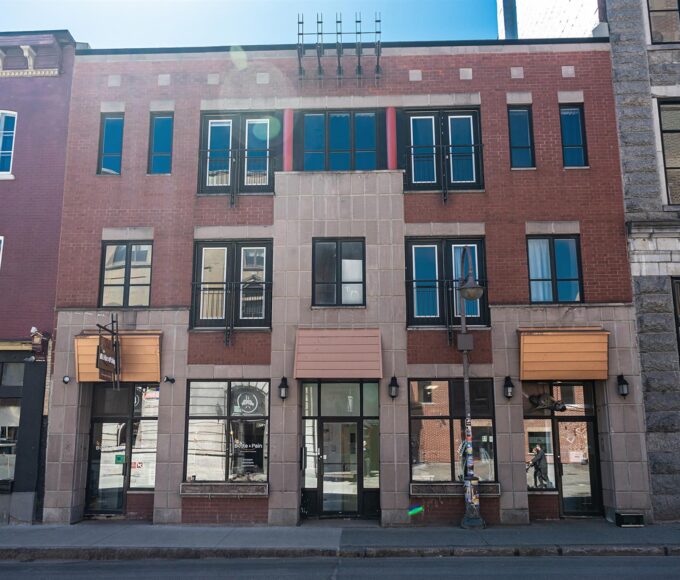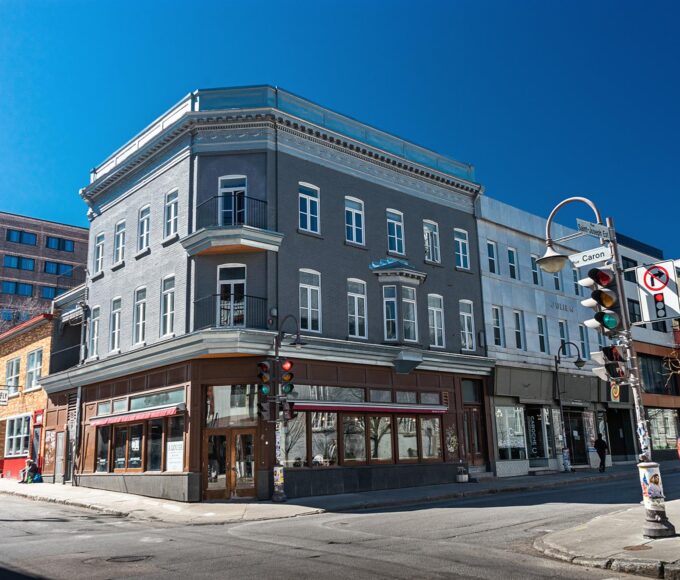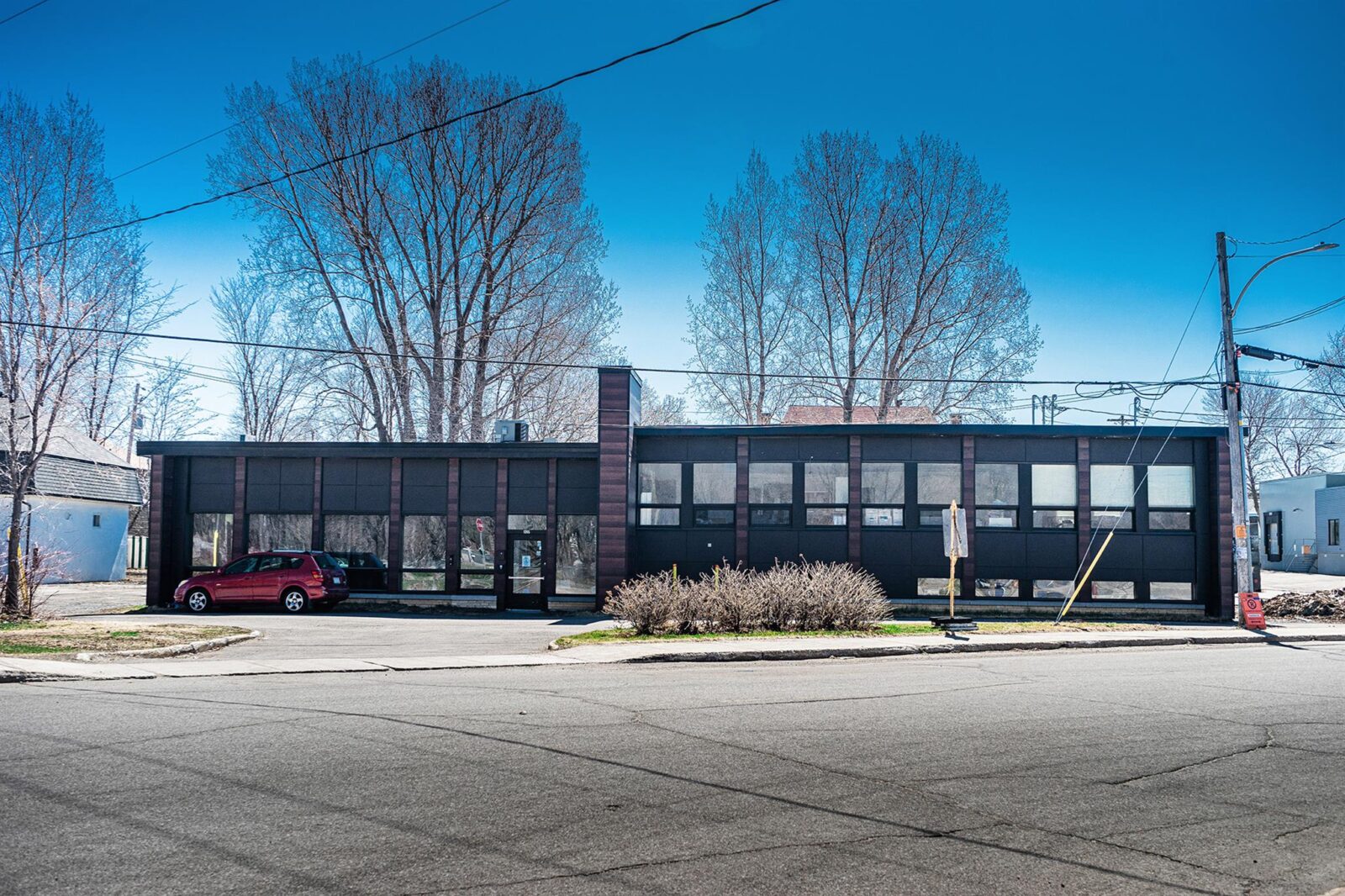
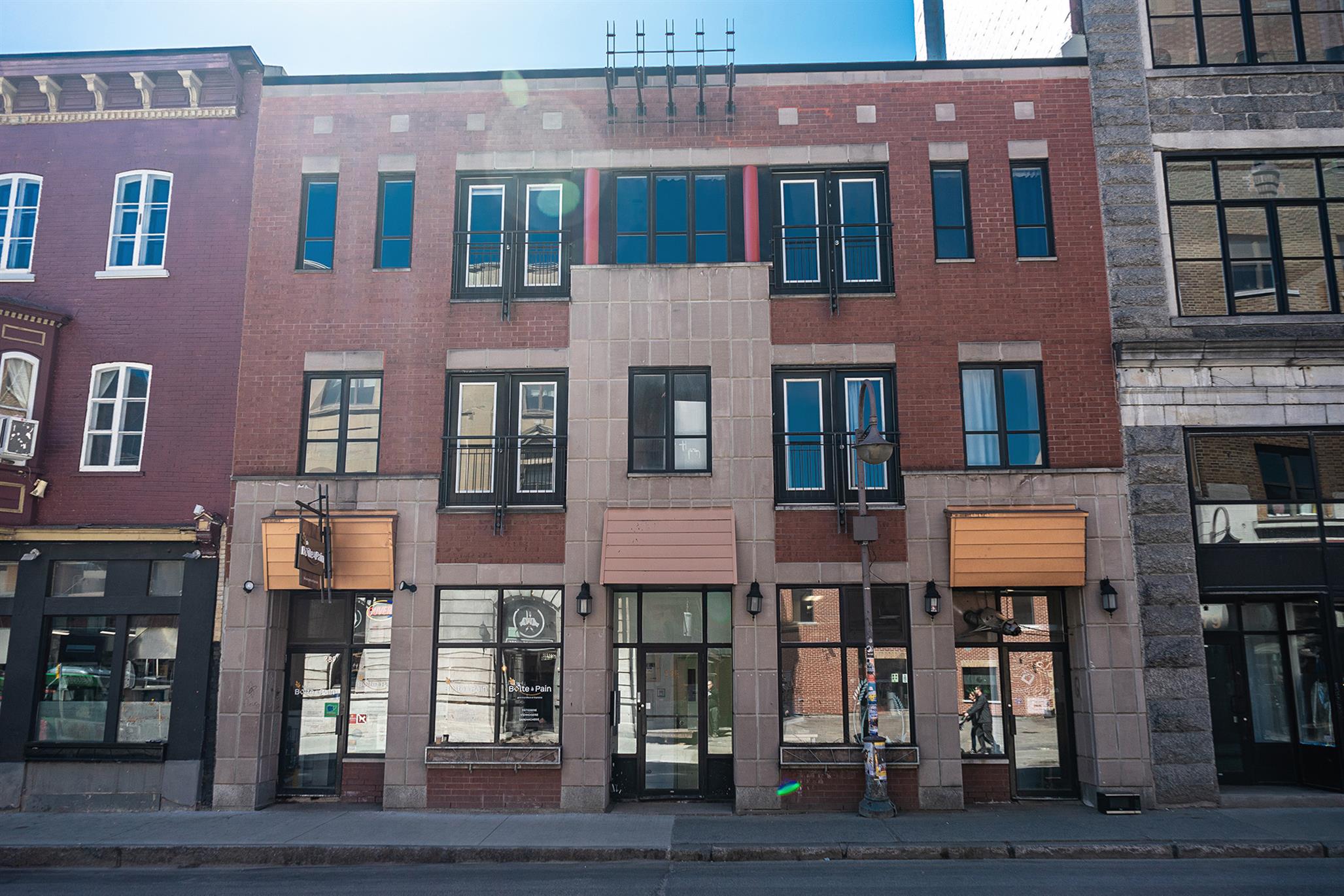
Mixed-use buildings — structures that combine ground-floor commercial space with residential units above — have long been a feature of urban main streets and established neighborhoods. What has changed in 2026 is who is buying them and why. A category of real estate that was once considered niche or complex is drawing increased interest from investors who recognize that income diversification within a single asset is one of the most effective ways to build a resilient portfolio in an uncertain economic environment.
A well-configured mixed-use building delivers rental income from residential tenants, commercial lease income from ground-floor tenants, and long-term appreciation driven by the property’s location and its role in the fabric of a functioning commercial street. When all three components are working, the asset outperforms comparable pure-residential or pure-commercial buildings across most market conditions. When one component underperforms, the others provide a cushion that single-use assets simply do not offer.
This guide covers what investors need to understand before acquiring a mixed-use building in 2026 — from evaluating the commercial tenant mix and lease structures to financing considerations and the operational differences that distinguish this asset class from residential-only ownership.
What Makes Mixed-Use Buildings Structurally Different From Other Investment Properties
Understanding a mixed-use building means understanding that you are operating two distinct real estate businesses under one roof, each with its own tenant dynamics, lease structures, market drivers, and risk profile.
The residential component operates the way any multi-unit rental building does. Tenants sign standard residential leases, their rights are governed by residential tenancy legislation, and demand for their units is driven primarily by local housing market conditions — job growth, population movement, and the ratio of rental supply to rental demand in the immediate area.
The commercial component operates on an entirely different framework. Commercial leases are typically longer in term, more negotiable in structure, and governed by commercial law rather than residential tenancy legislation. Commercial tenants are often responsible for a broader range of costs under their lease — a structure known as a net lease, where the tenant pays base rent plus some or all of the property’s operating expenses including taxes, insurance, and maintenance. Understanding which lease structure applies to each commercial tenant in a building you are evaluating is foundational to understanding what the building actually earns.
The interaction between the two components creates the unique risk and return profile of a mixed-use building. In markets where residential demand is strong but retail conditions are challenging, the residential floors carry the building’s income performance. In areas where a thriving main street commercial strip drives foot traffic and destination appeal, the ground-floor commercial space can anchor the building’s value and attract the strongest residential tenants above it.
Evaluating the Commercial Component: Tenants, Leases, and Income Quality
The quality of the commercial income in a mixed-use building depends almost entirely on the quality of the commercial tenants and the structure of their leases. These two factors deserve more scrutiny than any other element of the building’s financial profile.
Tenant quality in commercial real estate is assessed differently than in residential. A residential tenant’s primary qualification is their ability to pay rent reliably from personal income. A commercial tenant’s ability to pay rent depends on the success of their business — which means the investor is, to some degree, exposed to the performance of whatever business operates in their ground floor space. A long-established café or professional services firm with a track record in the space is a fundamentally different risk profile from a new business signing its first commercial lease.
Assess the commercial tenant’s business type with a critical eye toward longevity and foot traffic dynamics. Food and beverage tenants, personal services businesses, and essential retail categories have demonstrated more durability through economic cycles than discretionary retail. Professional services tenants — law offices, accounting firms, health practitioners — tend toward long lease terms and low turnover, making them particularly stable anchor tenants in a mixed-use building.
Lease term and remaining duration determine how soon you face the risk of a commercial vacancy. A commercial tenant with four years remaining on a lease at market rent is a meaningfully different asset than one with eight months remaining on a below-market lease that the tenant may not renew. When evaluating a building with commercial space, always request copies of all commercial leases and review them with professional support before making an offer.
Lease structure determines who pays what beyond the base rent. Triple-net leases, where the tenant covers property taxes, building insurance, and maintenance costs attributable to their space, reduce the landlord’s operating expense exposure and simplify financial planning. Gross leases, where the landlord covers those costs, require more careful expense modeling to understand true net income. Hybrid structures are also common and need to be parsed carefully to understand what each party actually pays.
Rent escalation clauses in commercial leases define how base rent increases over the lease term. Fixed annual escalations, CPI-linked escalations, or step-up rents at defined intervals all affect the income trajectory of the commercial component over the lease period. Understanding the escalation structure tells you what the commercial income looks like not just today but across the remaining lease term.
Evaluating the Residential Component Above Commercial Space
The residential units in a mixed-use building share the same evaluation framework as any multi-unit rental property — rent roll analysis, unit condition assessment, lease review, and capital expenditure planning. What is different is how the ground-floor commercial use affects the residential experience and, by extension, residential tenant quality and retention.
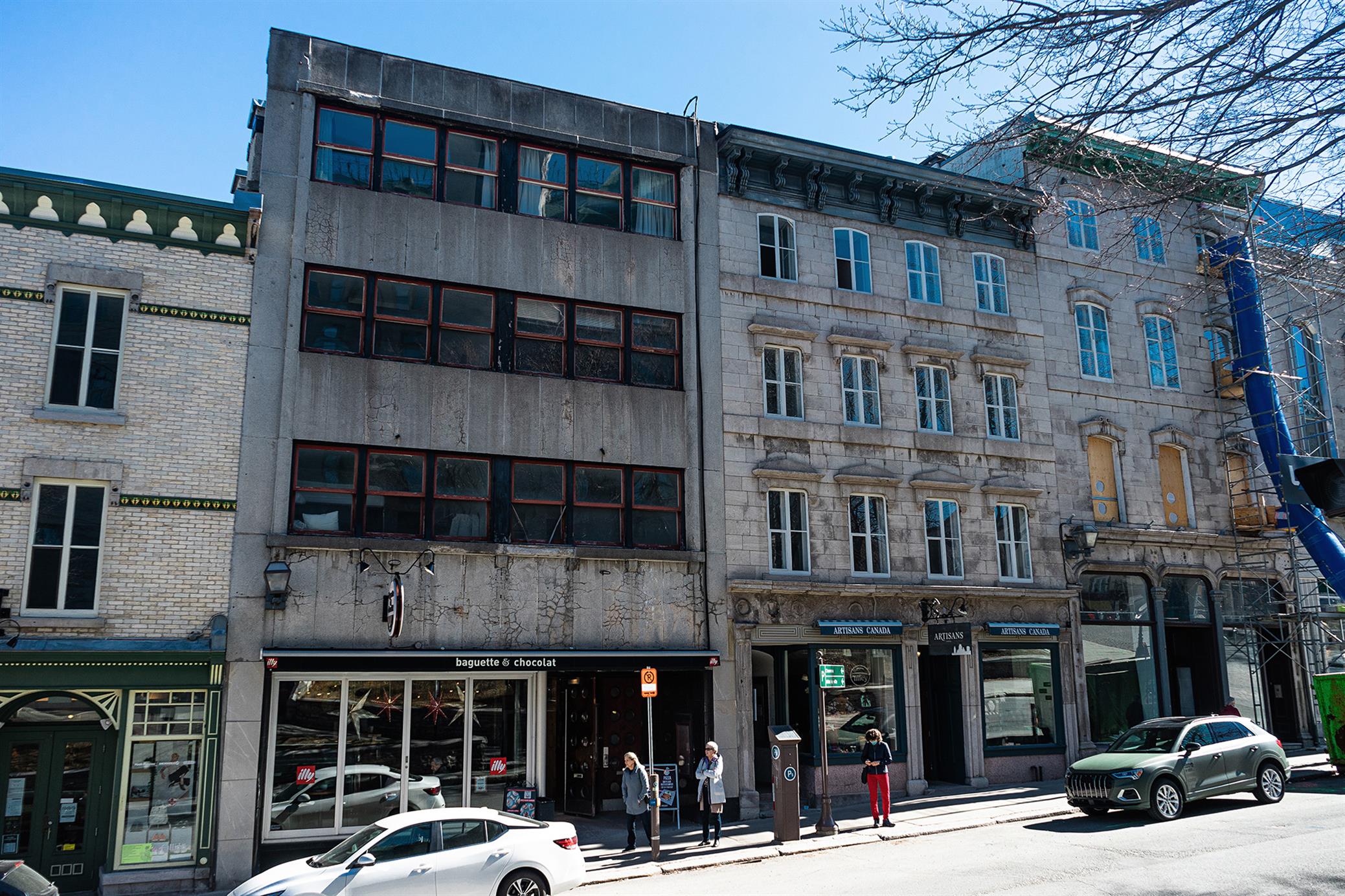
Ground-floor commercial uses that generate noise, odour, or extended operating hours affect the livability of the units immediately above. A bakery operating from 4 a.m. creates a different neighbor dynamic than a legal office operating standard business hours. This does not make food and beverage tenants undesirable — but it does mean the units directly above them may attract a different tenant profile and potentially command slightly different rents than upper-floor units in the same building.
Residential tenants in well-located mixed-use buildings benefit from the convenience of the commercial uses below — coffee shops, pharmacies, and service businesses that make daily life more convenient tend to attract tenants who value walkability and neighborhood vitality, a demographic that also tends toward longer tenancies and higher income qualifications. This self-reinforcing dynamic is part of what makes well-situated mixed-use buildings durable assets over long hold periods.
Building systems in mixed-use properties sometimes require careful separation between commercial and residential components — separate electrical meters, distinct HVAC systems, and clearly delineated maintenance responsibilities. Older buildings that were converted from purely residential use to include commercial space may have hybrid systems that create maintenance complexity. A thorough mechanical inspection is particularly important in mixed-use buildings to understand where systems are shared and where liabilities could arise from the commercial tenant’s operations.
Financing a Mixed-Use Building: What Lenders Evaluate
Financing a mixed-use building introduces considerations that are absent in pure residential lending. Lenders categorize mixed-use buildings differently depending on the proportion of commercial to residential square footage, and that categorization affects the loan products, down payment requirements, and qualification standards that apply.
Buildings where residential square footage constitutes the majority of the total — a common configuration in four-to-six-unit buildings with a single ground-floor commercial space — are often still financeable under residential or small commercial lending products. Buildings where commercial space represents a larger proportion of total square footage typically move into commercial lending territory, with the associated requirements for higher down payments, shorter amortization periods, and more rigorous property income documentation.
Lenders will conduct their own assessment of the commercial lease income’s quality and durability as part of the underwriting process. Short remaining lease terms, weak commercial tenants, or below-market commercial rents may all reduce the income credit the lender applies when calculating the building’s debt service coverage. In practical terms, this can affect how much financing is available against the building’s purchase price.
Working with a mortgage broker who has direct experience with mixed-use building financing — not just residential investment properties — is strongly advisable before beginning your acquisition process. Understanding your financing options and their parameters before you make an offer prevents the scenario where a deal you structured based on assumed financing terms collapses because the lender’s product does not apply to the building you are trying to buy.
Identifying the Right Mixed-Use Building: Location Signals That Matter
Not all main street commercial locations are equal, and the commercial component of a mixed-use building is ultimately only as strong as the foot traffic, demographics, and economic vitality of the street it sits on. Buying the right building on the wrong block is a common mistake that takes years to become fully apparent.
Strong mixed-use locations share identifiable characteristics. Consistent pedestrian traffic at multiple times of day — morning commuters, lunchtime business, evening pedestrians — supports a broader range of commercial uses and reduces the risk of prolonged commercial vacancies. Proximity to transit nodes, established residential density, and anchor institutions like hospitals, universities, or government offices creates a customer base for commercial tenants that does not depend entirely on passing car traffic.
Look at the block-by-block vacancy rate on the commercial street. A street where most ground-floor spaces are occupied by functioning businesses is a fundamentally different investment context than one where multiple storefronts are dark, paper-covered, or cycling through short-lived tenants. A single vacancy on an otherwise healthy block is an opportunity. Multiple vacancies signal a structural problem with the street that a single building owner cannot solve.
Emerging neighborhoods — areas where the commercial street is visibly transitioning, where new businesses are opening, and where residential development nearby is increasing density — can offer acquisition opportunities at prices that do not yet reflect the street’s trajectory. These investments carry more risk than established main streets but can generate stronger appreciation for investors with the patience and financial resilience to hold through the transition period.
Working With Frederic Murray Immeubles
Mixed-use building acquisition requires professionals who understand both the residential and commercial components of what you are buying. Generic real estate representation that is strong on residential but thin on commercial lease analysis — or vice versa — leaves gaps in your due diligence that can be expensive to discover after closing.
At Frederic Murray Immeubles, we work with investors acquiring mixed-use assets across a range of scales and configurations. Our team brings the analytical depth to evaluate both the income components and the physical condition of a mixed-use building, and we have the lender and professional relationships to support transactions from the initial assessment through to closing.
Browse current mixed-use listings at fredericmurrayimmeubles.com or contact our team to discuss your acquisition criteria. The mixed-use buildings that perform best over a full investment cycle are the ones where the fundamentals are understood clearly before the purchase — not discovered afterward.
Suggested internal links: Link “mixed-use listings” to the active property listings page. Link “contact our team” to the inquiry or consultation page.
Suggested external links: Link to a commercial lease glossary or resource when referencing net lease structures. Link to a local commercial vacancy rate report when referencing street-level vacancy signals.