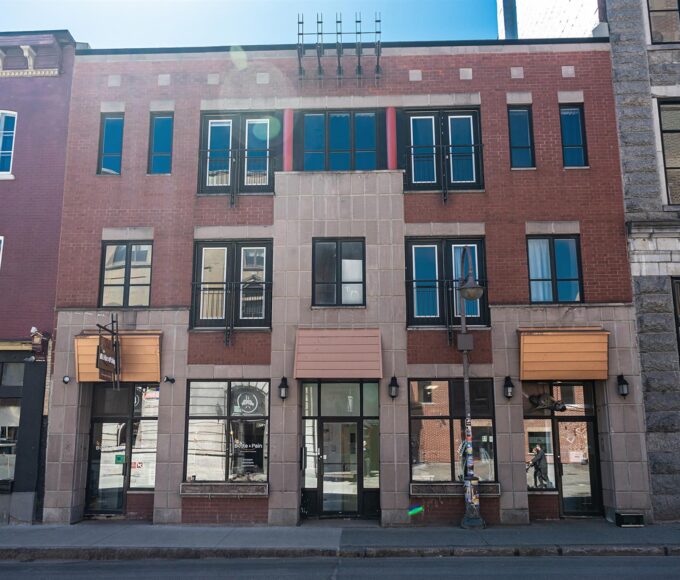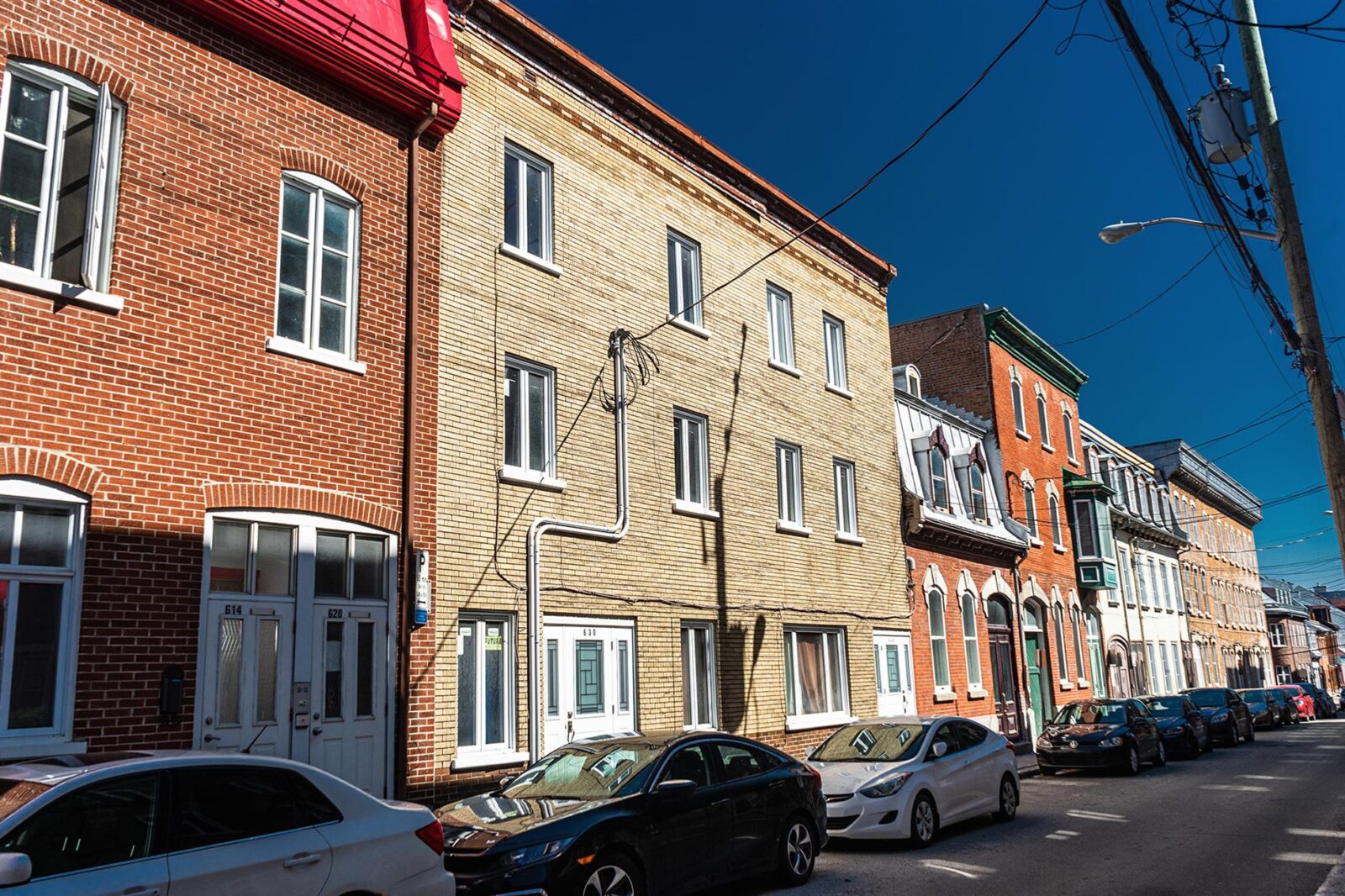
Selling an income property in Quebec City is not the same as selling a single-family home. The buyers are different, their motivations are different, and the metrics that drive the sale price have almost nothing in common with curb appeal or interior staging. Investors who treat their income property like a house when they sell it routinely leave 10% to 20% on the table, sometimes more. In 2026, with the Quebec City market favoring well-prepared sellers, the difference between a professional sale and an amateur one can easily reach six figures even on modest buildings.
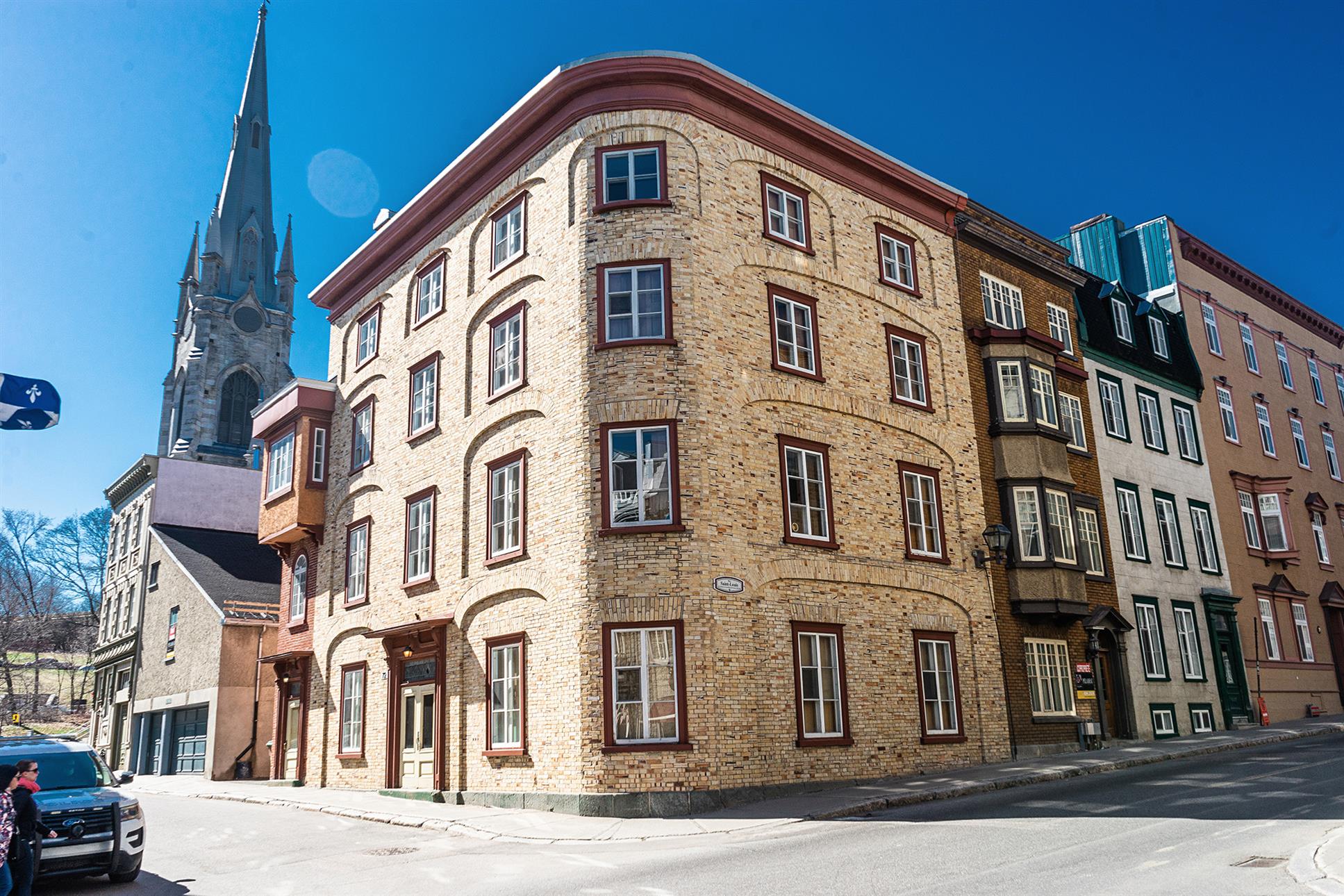
Why Income Property Sales Operate by Different Rules
The fundamental difference between selling a home and selling an income property comes down to who buys them. A home buyer responds emotionally, visualizes their family living in the space, and pays for lifestyle. An income property buyer responds analytically, runs the numbers, and pays for cash flow. Everything that matters in a successful sale follows from understanding this distinction.
Frédéric Murray, who has overseen acquisitions and dispositions across the Groupe Murray portfolio for nearly two decades, observes that the sellers who get the strongest prices are those who present their building as a clean, well-documented business rather than as charming real estate. The investor buying your property cares more about your two-year operating statements than your refinished hardwood floors.
The Buyer Profile in 2026
Income property buyers in Quebec City this year fall into three main categories, each with slightly different priorities:
- Private investors with existing portfolios looking to expand. They want clean records, stable tenancies, and properties that integrate smoothly into their operations.
- First-time investors entering the market with maximum financing. They tend to focus on positive cash flow from day one and reasonable physical condition.
- Institutional or semi-institutional buyers acquiring larger properties or portfolios. They want sophisticated documentation, predictable income, and clean legal structure.
Understanding which buyers your specific property will attract shapes everything from your pricing strategy to how you prepare the building for sale.
Timing Your Sale Correctly
The right time to sell rarely corresponds to when you feel like selling. It corresponds to specific market and property conditions that maximize the value buyers will pay.
Market Timing Indicators in 2026
Several signals suggest 2026 remains a favorable selling environment for quality income properties:
- Quebec City rental vacancy rates remain near historic lows, supporting strong income projections.
- Mortgage rates have stabilized after several years of volatility, making financing predictable for buyers.
- Investor appetite for Quebec City real estate continues to strengthen as other Canadian markets cool.
- Inflation in rents and operating costs has been gradual rather than disruptive.
Property-Specific Timing
Beyond broad market conditions, your specific building’s readiness matters enormously.
- Sell after major value-creating events have completed (significant renovations, repositioning of tenants, rent increases that have stabilized).
- Avoid selling during the months immediately following any major operational disruption (tenant disputes, major repairs in progress, regulatory issues).
- Consider seasonal patterns: spring and early fall typically generate more buyer activity than mid-summer or winter.
- Align with your portfolio strategy: if you are recycling capital into a new acquisition, time the sale to provide the down payment when you need it.
Preparing the Building Physically
Physical condition affects sale price, but not in the same ways it affects home sales. The buyer is not picturing themselves living there. They are picturing future capital expenses and operational headaches. Your job is to minimize their concerns.
High-Impact Preparations
- Address obvious deferred maintenance that an inspector will flag immediately. Peeling paint on exterior trim, damaged eaves, deteriorated steps, and visible roof issues create the impression that the entire building has been neglected.
- Document all recent capital improvements with invoices, dates, and warranties. A new roof three years ago is worth $20,000 to $30,000 in sale price, but only if you can prove it.
- Clean and organize common areas including hallways, entries, basements, laundry rooms, and exterior spaces. These tell the buyer how the building has been managed.
- Have any pending repairs visibly underway if you cannot complete them. An ongoing repair is much less concerning than an unaddressed problem.
- Verify mechanical systems are functioning including heating, plumbing, electrical, and any building-wide equipment.
What Not to Over-Invest In
- Designer-grade interior renovations in individual units. Income property buyers know they will refresh units on their own schedule. Spending $25,000 on a luxury kitchen rarely returns more than $10,000 in sale price.
- Cosmetic-only upgrades that mask underlying issues. Sophisticated buyers see through these and discount accordingly.
- Improvements that change the building’s character in ways that may not appeal to investors. A landscape redesign that costs $15,000 and would appeal to a homeowner often adds little value for an investor buyer.
Preparing the Financial Documentation
This is where most sellers fail and where the most value is captured or lost. Income property buyers underwrite based on documentation. Strong documentation justifies strong pricing. Weak documentation invites discount requests.
The Essential Documentation Package
A professional documentation package for selling an income property should include:
- Two to three years of detailed operating statements showing actual income and expenses by line item.
- Current rent roll listing every unit, its current rent, the tenant’s name, lease start date, and lease expiration.
- Copies of every active lease including any side agreements or addenda.
- Property tax bills for the past three years.
- Insurance policy details with current premiums.
- Utility bills for all owner-paid utilities, ideally for a full year minimum.
- Capital expenditure history showing all major improvements, the costs, and the dates.
- Maintenance contracts for any ongoing services (snow removal, lawn care, mechanical maintenance).
- Compliance documentation including any required inspections or certifications.
- Building plans if available, including any post-renovation as-built drawings.
The seller who provides this complete package within hours of a serious inquiry signals professionalism that justifies premium pricing.
What Hurts Documentation
- Missing or inconsistent records that make buyers wonder what else is hidden.
- Cash arrangements with tenants that cannot be documented properly.
- Side agreements that affect the building’s economics but do not appear in formal leases.
- Recent rent increases not yet documented through proper TAL notices.
Pricing the Property Correctly
Pricing an income property follows from analysis, not from market speculation. Get the analysis right and the price holds up under buyer scrutiny.
The Cap Rate Approach
The most common methodology is dividing your net operating income (NOI) by a target cap rate appropriate to your building’s category and neighborhood. For Quebec City in 2026:
- Central neighborhood residential multi-units typically sell at cap rates between 5% and 6%.
- Mixed-use properties in commercial areas trade between 5.5% and 7%.
- Heritage properties in protected districts often command cap rates between 4% and 5.5%.
- Emerging neighborhood properties may trade at 6% to 7%.
Setting your asking price based on a cap rate that is far below the local norm invites buyers to negotiate it back to reality.
The Comparable Sales Approach
In parallel, look at recent comparable sales of similar buildings in your specific neighborhood. Adjust for size, condition, tenant quality, and unit mix. A property that just sold for $1.4 million with similar characteristics anchors expectations for your property.
Pricing Strategy Considerations
- Slightly above market value to allow negotiation room, but not so far above that the property fails to attract serious offers.
- Below market value if you need a quick sale, which tends to generate multiple competing offers and can sometimes produce stronger final prices than slow listings at higher prices.
- Strategic price points that align with mortgage qualification thresholds for typical buyer profiles.
Optimizing the Sale Process
Once your property is ready and priced correctly, the sale process itself can add or subtract value at the margins.
Choosing How to Sell
- Listed on multiple listing services through a broker for maximum exposure to financed buyers.
- Direct marketing to known investor networks which often produces faster sales at strong prices, particularly for higher-quality properties.
- Combined approach with selective broker listing and quiet marketing to qualified investors simultaneously.
Managing Viewings and Inquiries
- Limit access to qualified, financially verified prospects to avoid disruption to tenants.
- Coordinate visits to minimize tenant inconvenience.
- Prepare a virtual tour or detailed photo package to reduce the number of physical visits required.
- Have your documentation package ready to share immediately with serious inquiries.
Negotiating Offers
- Evaluate offers on more than just price. Closing conditions, financing certainty, due diligence timelines, and earnest money all matter.
- Counter-offer strategically rather than rejecting outright. Most strong sales involve back-and-forth negotiation.
- Avoid emotional reactions to lowball offers. Some buyers test, while others are simply price-sensitive but ultimately willing to move toward fair value.

Tax Considerations Worth Discussing With Your Accountant
The proceeds of an income property sale carry significant tax implications that should be understood and planned for before the sale, not discovered afterward.
Capital Gains
Most of the appreciation you have realized is taxable as a capital gain, with 50% of the gain (currently) included in your taxable income at your marginal rate. Selling in a high-income year vs. a low-income year can affect your effective tax rate substantially.
Recapture of Depreciation
If you have claimed Capital Cost Allowance (CCA) on the building during your ownership, the sale will trigger recapture of that depreciation as fully taxable income (not at the capital gains rate). This catches many sellers by surprise.
Timing Strategies
In some cases, splitting a sale across two tax years, deferring closing dates, or coordinating with other capital transactions can reduce overall tax liability. These strategies require advance planning and qualified professional advice.
Why Professional Support Pays for Itself
Selling an income property successfully requires expertise across real estate strategy, financial preparation, market positioning, buyer qualification, and negotiation. Most owners attempting this alone for the first time make predictable mistakes that cost far more than professional support would have.
The Groupe Murray, under Frédéric Murray’s leadership, has handled dozens of dispositions over nearly two decades, both within its own portfolio and on behalf of investors seeking strategic guidance. The integrated expertise of Frederic Murray Management for operational documentation, Frederic Murray Rentals for rental optimization before sale, and the broader Groupe Murray market intelligence creates a complete framework for sellers who want to maximize what their property can produce in 2026’s market.
Planning Your Sale With Confidence
Selling an income property is one of the most consequential financial decisions an investor makes. The capital that comes out shapes everything that follows, whether you are reinvesting in a larger property, diversifying into other assets, funding retirement, or transferring wealth to the next generation. Doing it correctly is worth the investment in preparation, documentation, and professional guidance.
Whether you are actively listing or considering a sale within the next 12 to 24 months, contacting Frédéric Murray and his team provides the kind of strategic input that turns a stressful transaction into a clean, well-executed transition. Early conversations about timing, preparation, and pricing often produce the largest improvements in final sale outcomes.